- Insulation response time
- NiCr vs FeCrAl
- Resistance wire high-temp
- LHD in tunnels
- Chemical & mining sites
- Cable quality tests
- Manufacturer checklist
- Appliance thermal protection
- Thermosensitive principle
- Specification guide
Materials & Conductor Alloys
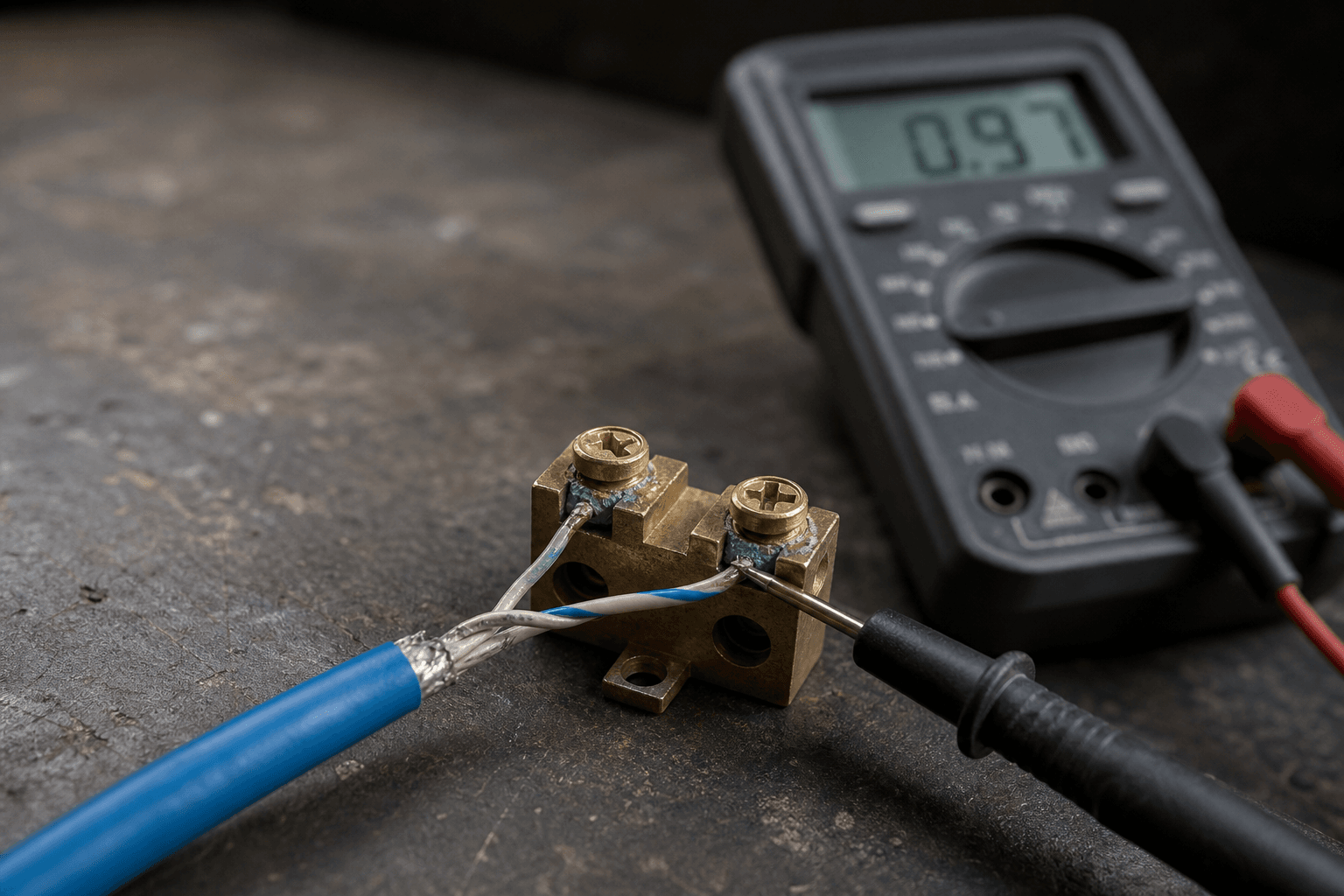
Five Years In, the Drift Is at the Ends: Termination Metallurgy, Aging & Drift
A thermal sensor cable usually ages fastest where it ends, not where it senses. Why dissimilar-metal junctions corrode slowly, why contact resistance climbs after years rather than year one, how junction drift differs from a hot reading or compound fatigue, and how to specify and terminate against it.
Read More →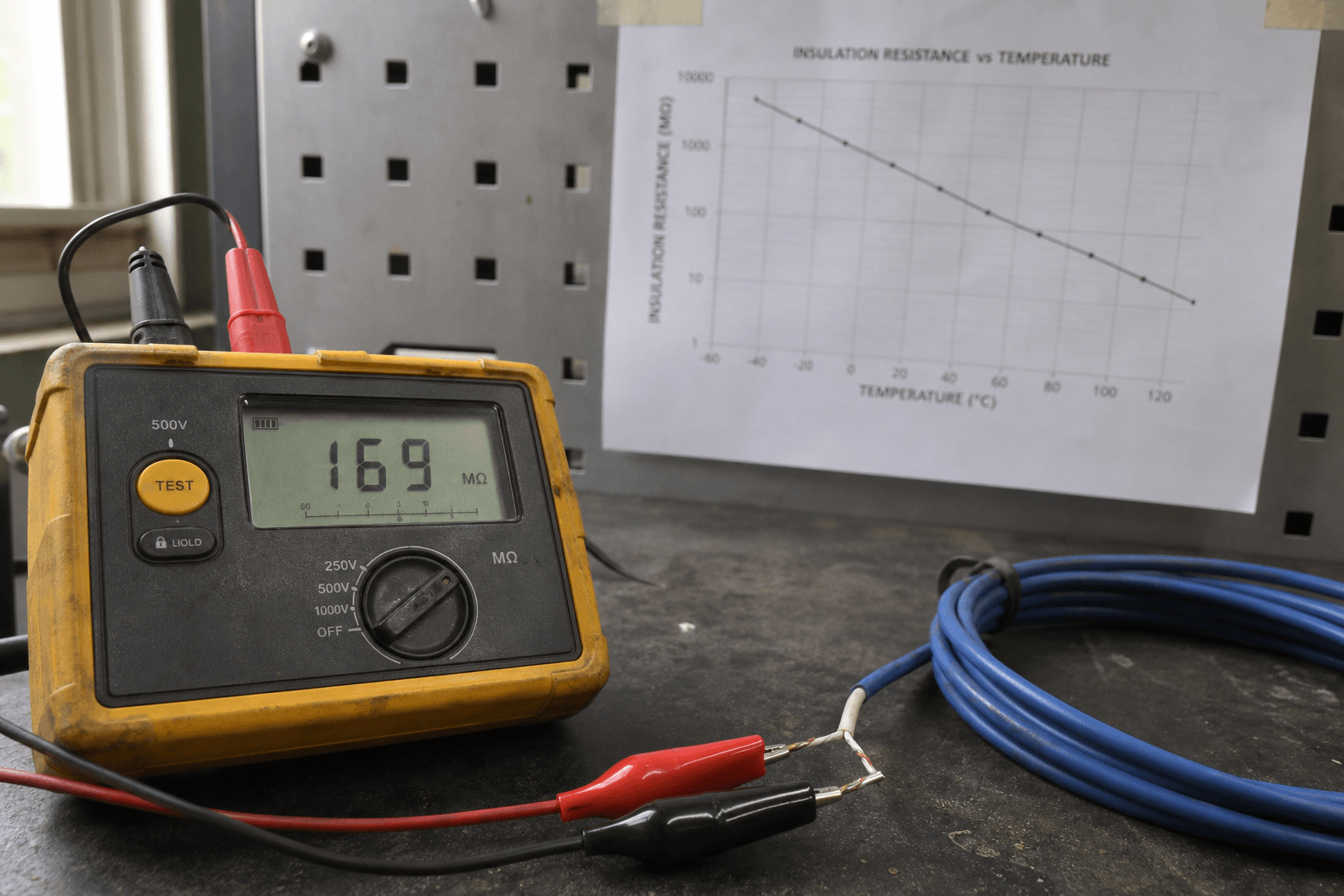
Two Thousand Megohms at Twenty Degrees, Two Hundred at Ninety: Dielectric Behaviour vs Temperature
A thermal sensor cable's insulation resistance falls by one to two orders of magnitude between a cool bench and a hot route — reversible physics, not a defect. Why the megohms move with heat, how dielectric strength and permittivity follow, and how to read and compare an IR spec against the temperature behind it.
Read More →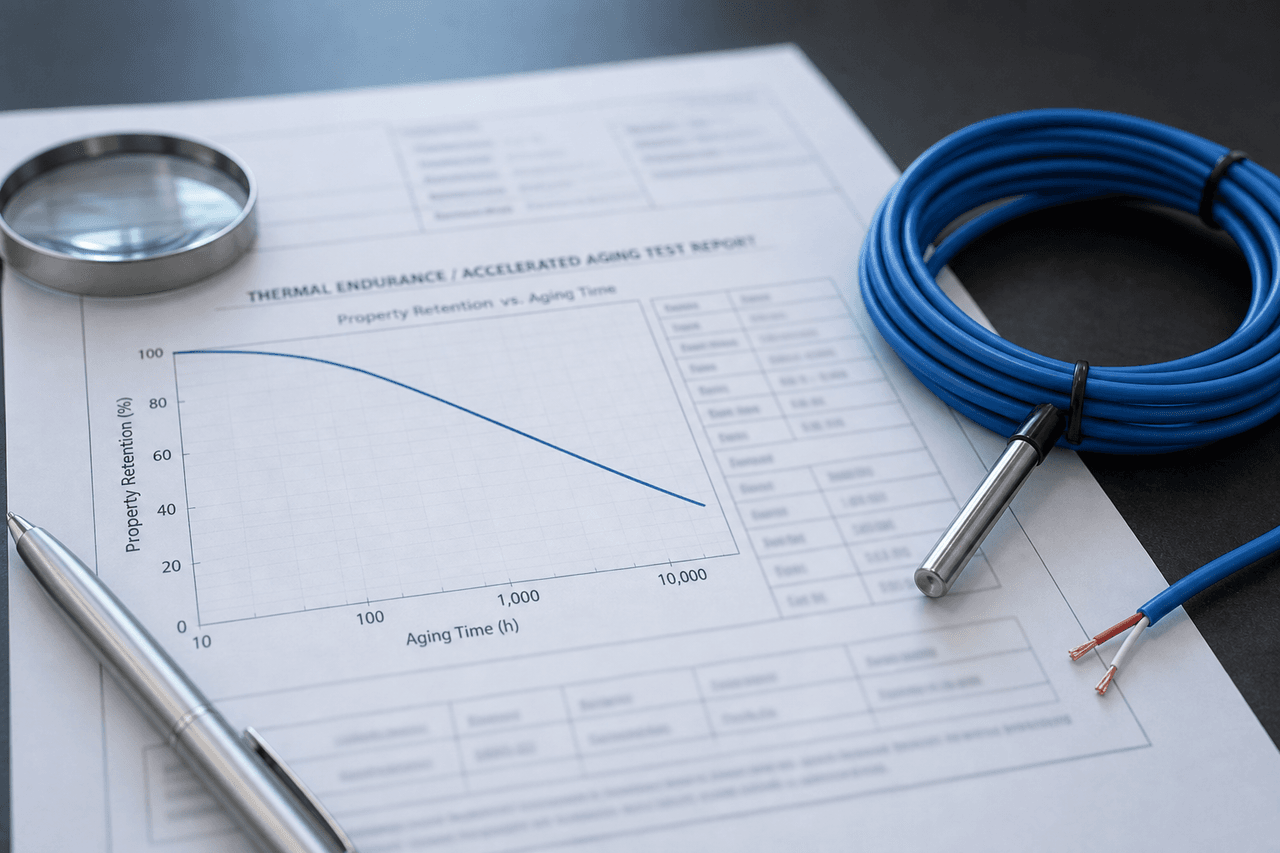
A Thousand Hours Is Not a Decade: Reading a Thermal Sensor Cable Accelerated Aging Report
An oven soak compresses years of steady heat into weeks — but a thousand hours converts to field years only through an Arrhenius assumption. How to read the soak temperature, the endpoint criteria and the field condition behind any service-life claim, and what a steady-state test does not prove.
Read More →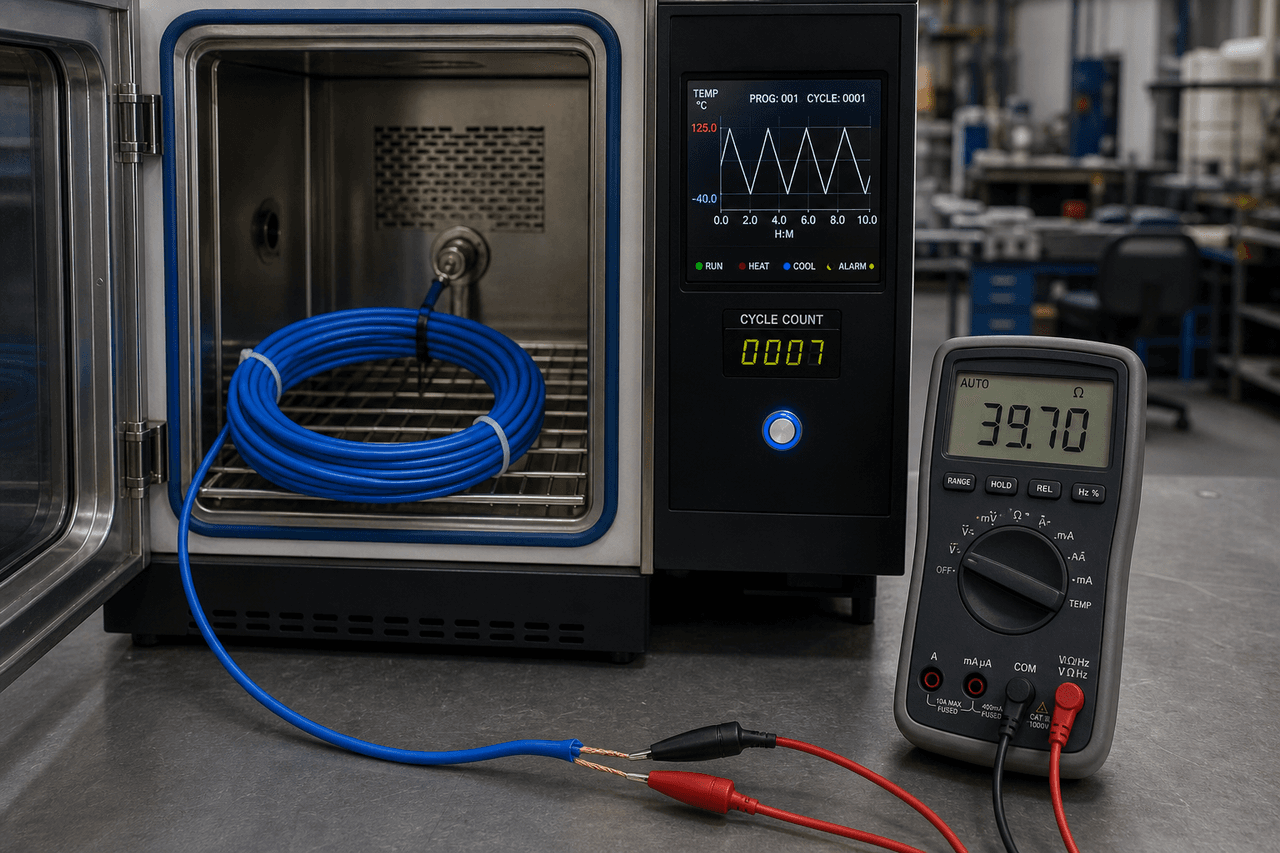
The Cable Remembers Every Cycle: Thermal Sensor Cable Cycling Fatigue and Activation Drift
Why repeated heat-cool cycling drifts a thermal sensor cable's activation point — what one cycle does to the compound, jacket and terminations, why cycle count and swing amplitude drive the fatigue, and how to specify and verify a cable that survives the cycles.
Read More →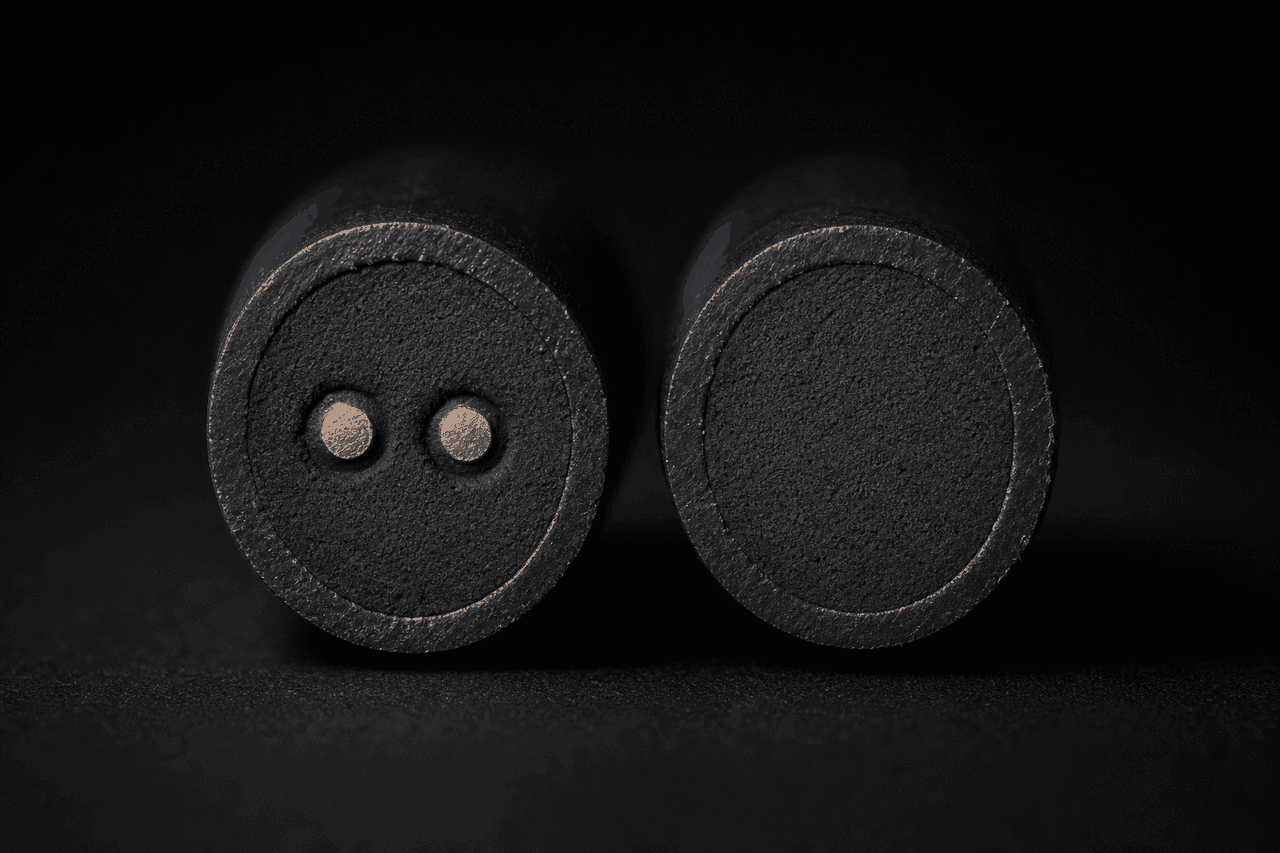
The Cross-Section That Decides: Metal-Core vs Non-Metal-Core Thermal Sensor Cable Architecture
A buyer-side decision matrix for metal-core vs non-metal-core thermal sensor cable architecture — five engineering axes, five deployment scenarios, three substitution detection signals and the panel-side termination consequences a procurement engineer reads off the cross-section.
Read More →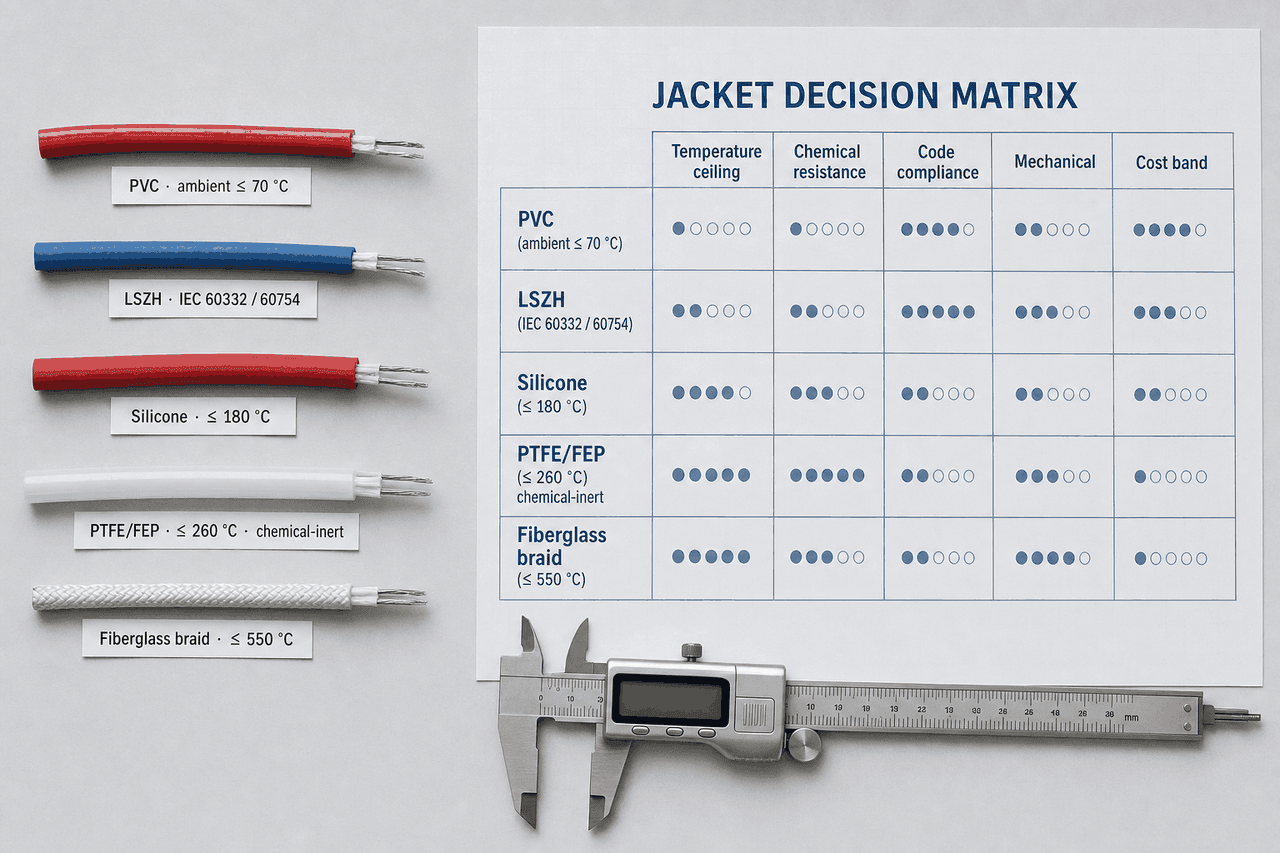
Thermal Sensor Cable Jacket Material Decision Matrix — Five Materials, Five Axes
A buyer-side decision matrix for jacket material selection on thermal sensor cable — PVC, LSZH, silicone, fluoropolymer and fiberglass braid across temperature ceiling, chemical resistance, code compliance, mechanical envelope and cost band, with the standards mapping the document package has to satisfy.
Read More →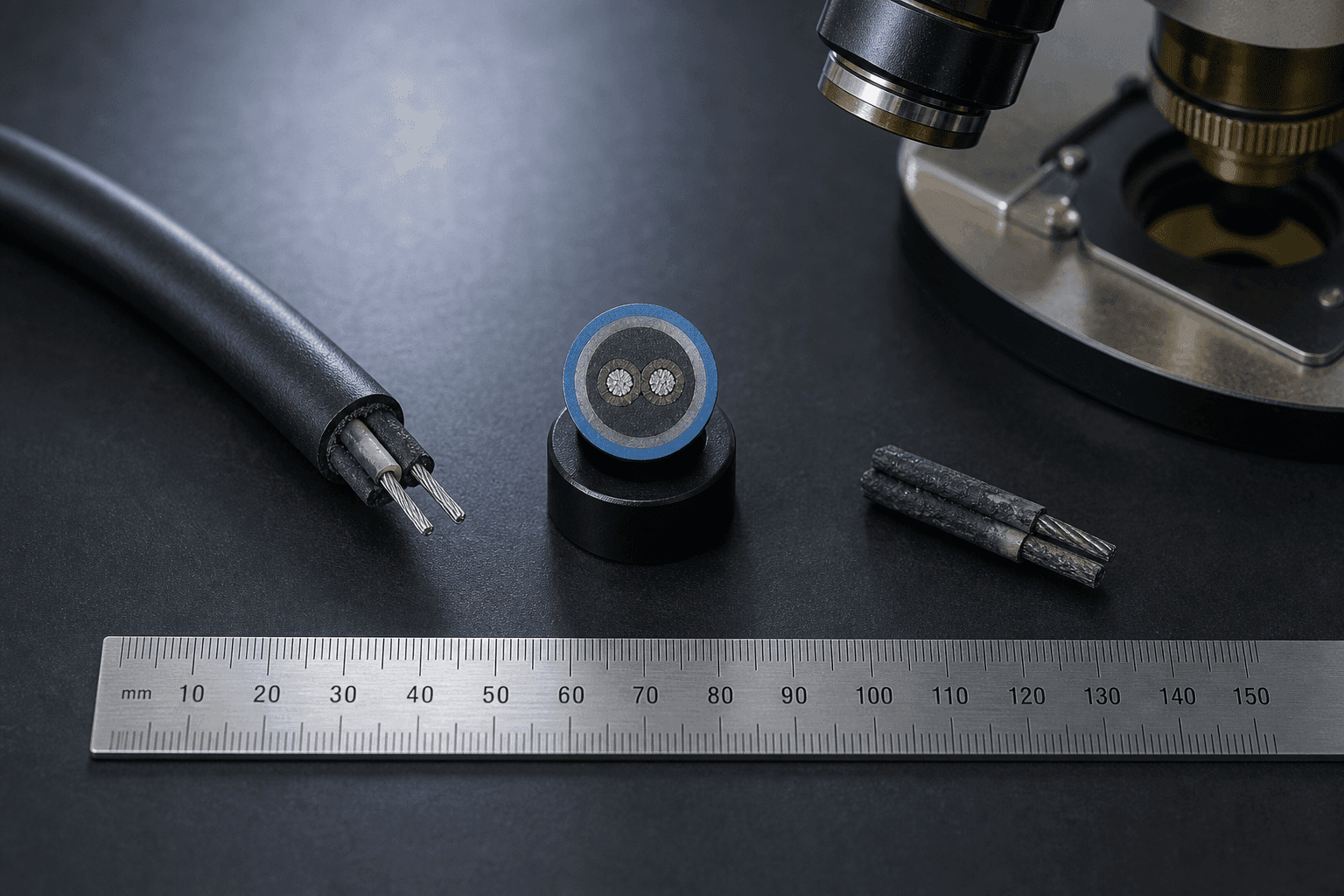
Thermal Sensor Cable Engineering — Materials, Structure, Failure
An engineering index across three axes — materials, internal architecture and failure mechanisms over time. Five material layers, two architectures, four failure modes, and a question-routing table for the engineering desk.
Read More →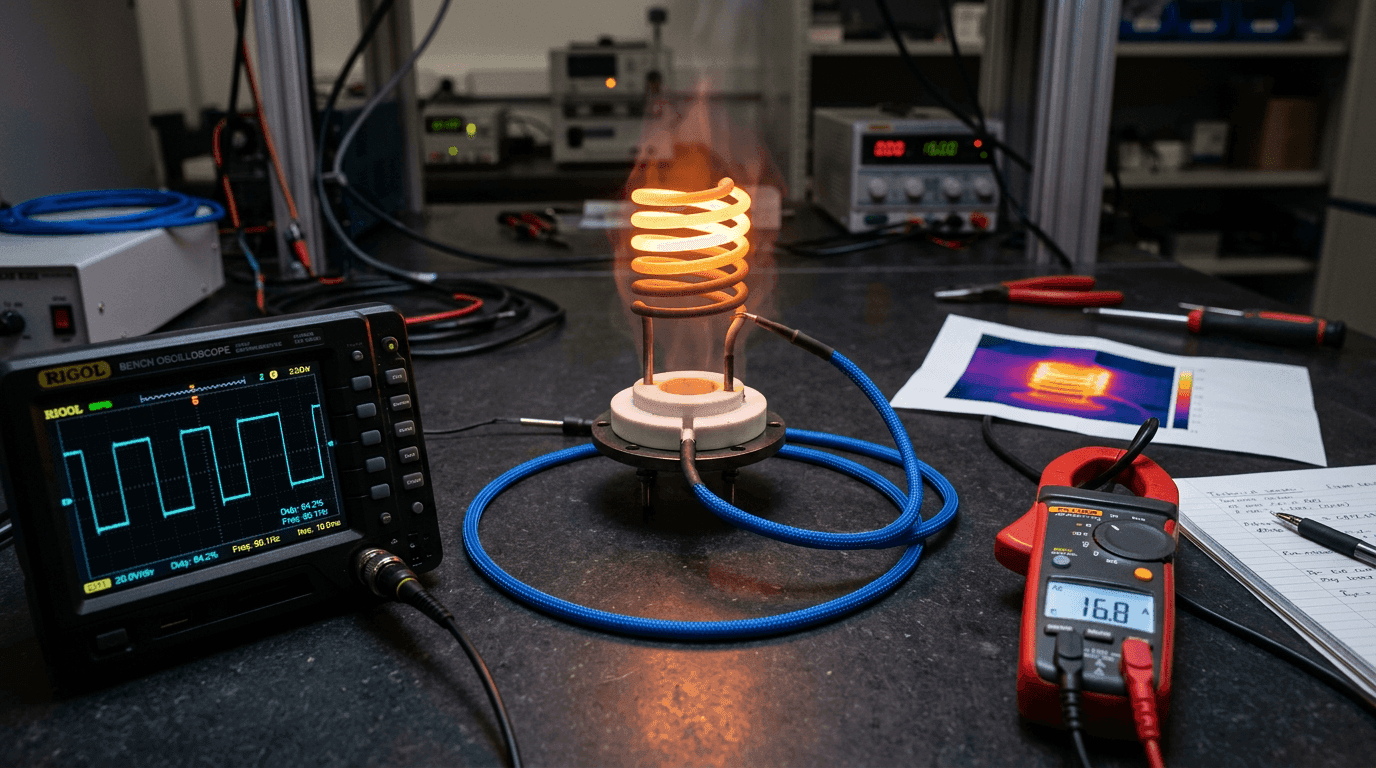
Thermal Sensor Cable Near Cyclic-Duty Heaters: Placement, Jacket and Alarm Margin
How to route thermal sensor cable near PWM heaters and short-cycle hot zones without nuisance alarms — placement, jacket choice, activation point and commissioning checks.
Read More →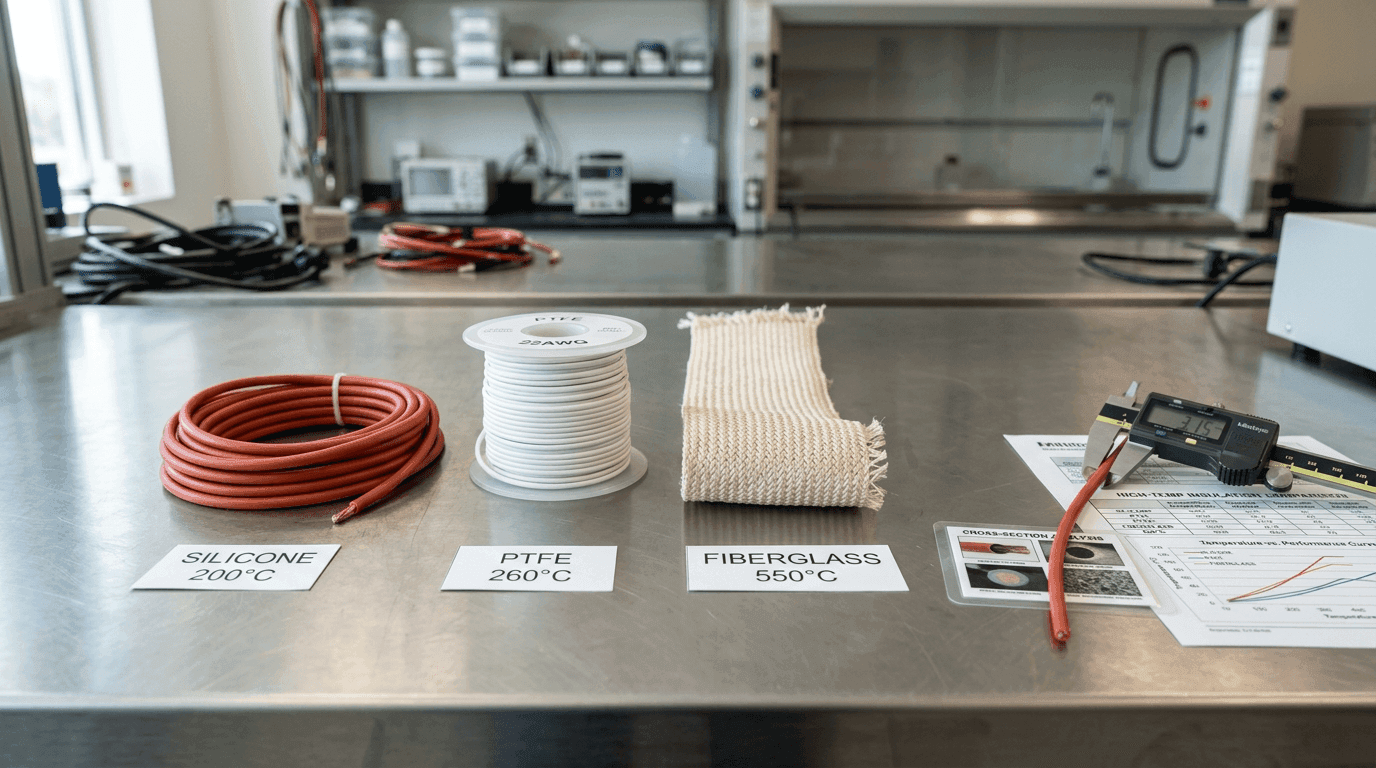
Silicone vs PTFE vs Fiberglass — Insulation Selection for Thermal Cables
Three insulation families compared on the specs that actually drive the decision — temperature ceiling, chemical resistance, flex life, flame survival and delivered cost — with a one-page pick-list by application.
Read More →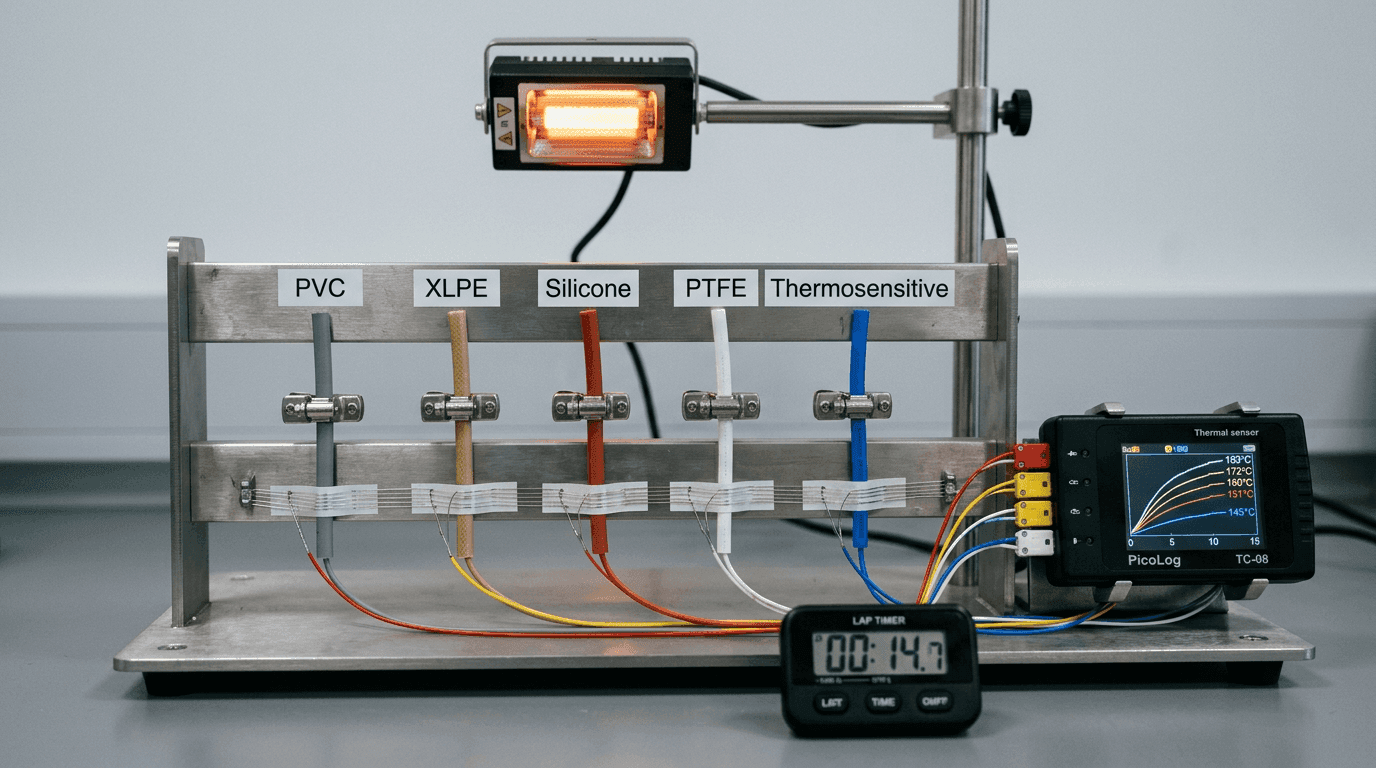
How Insulation Materials Shape the Response Time of a Thermal Cable
Two cables with the same 105 °C activation point can alarm 20 seconds apart — and the reason is entirely in the insulation. PVC, XLPE, silicone, fluoropolymers and thermosensitive compounds compared on the numbers that decide thermal sensor cable response time.
Read More →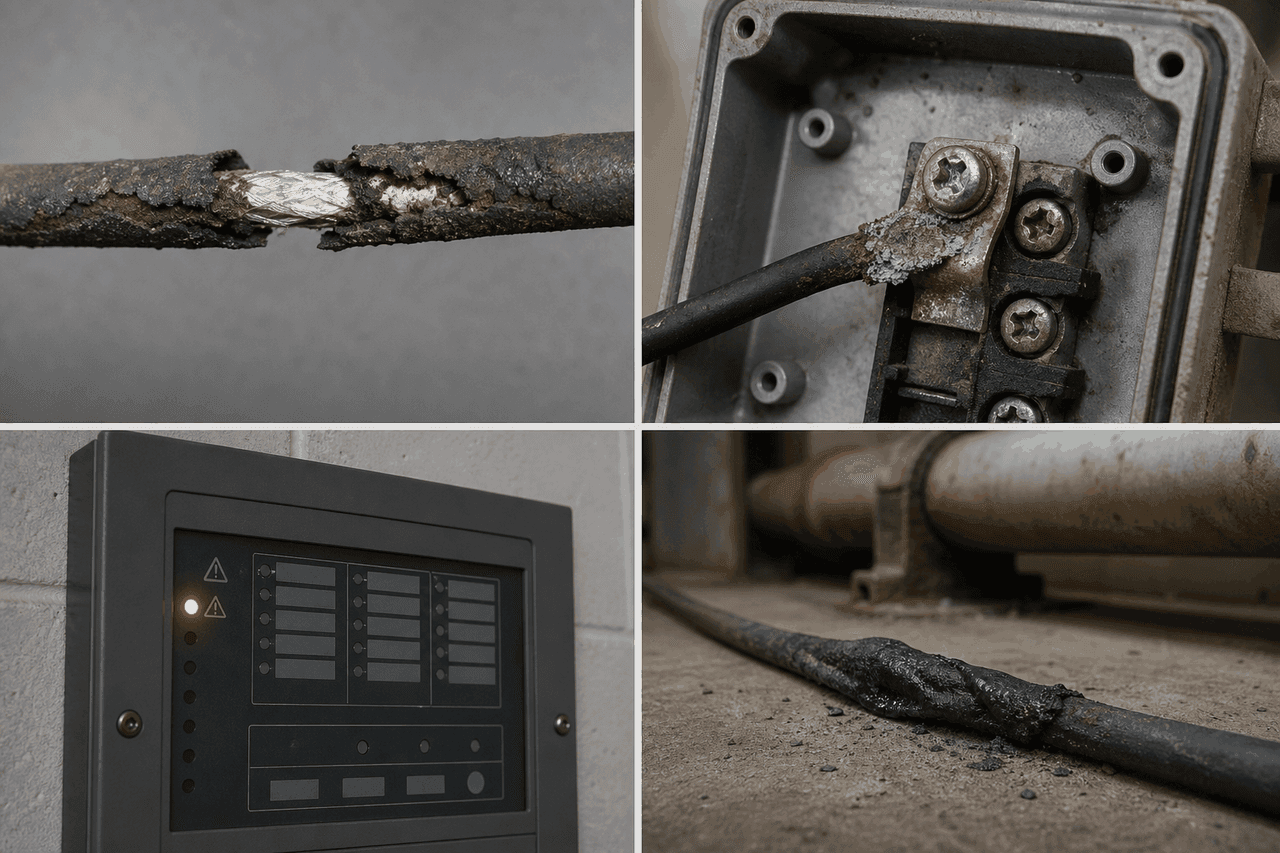
Five Specification Mistakes That Shorten Thermal Sensor Cable Service Life
Activation point alone, wrong jacket, ignored atmosphere, weak terminations and no alarm margin — five specification errors that shorten LHD and TS cable service life.
Read More →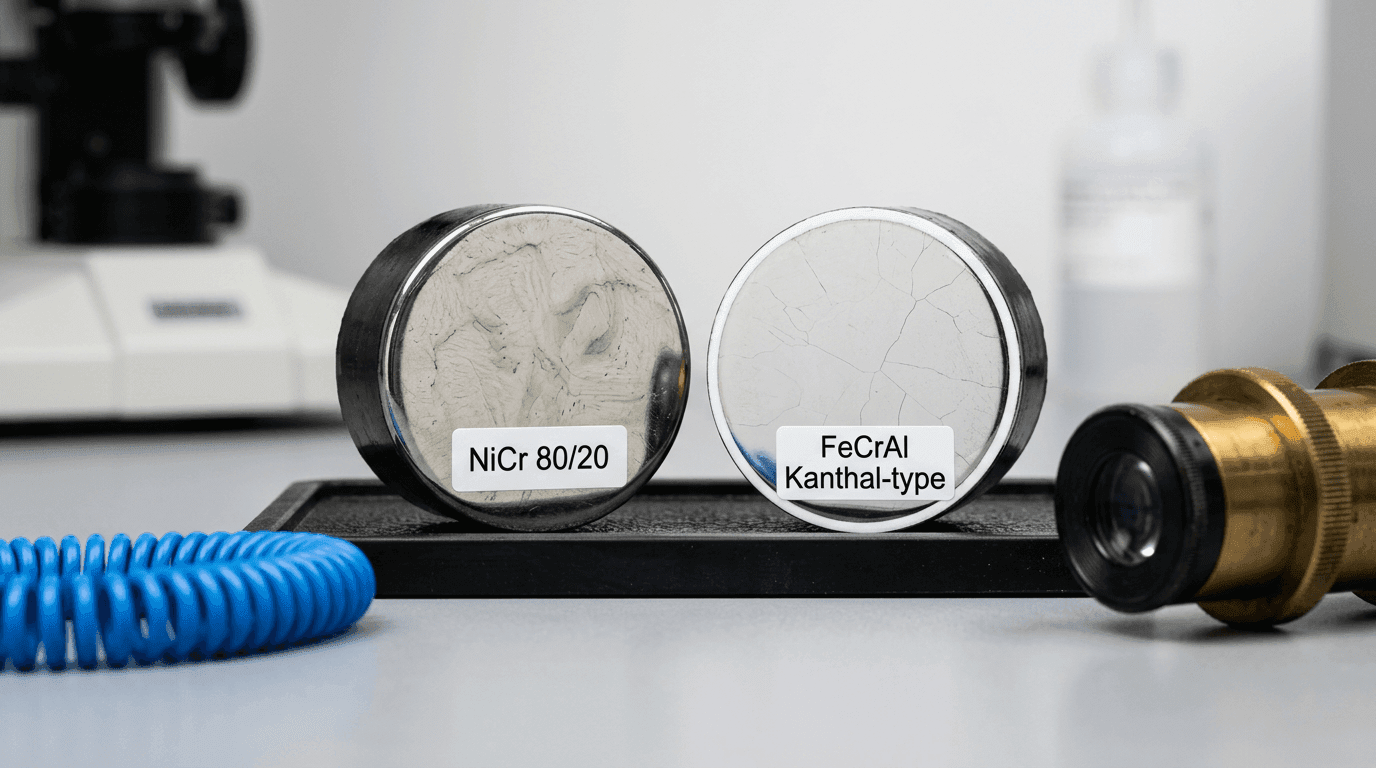
NiCr vs. FeCrAl as a Conductor in Thermal Sensor Cables
Ni80Cr20 vs Kanthal A1 inside a thermal sensor cable — composition, resistivity, TCR linearity, 20-year drift, termination and atmosphere behaviour, plus a procurement-ready decision matrix at the end.
Read More →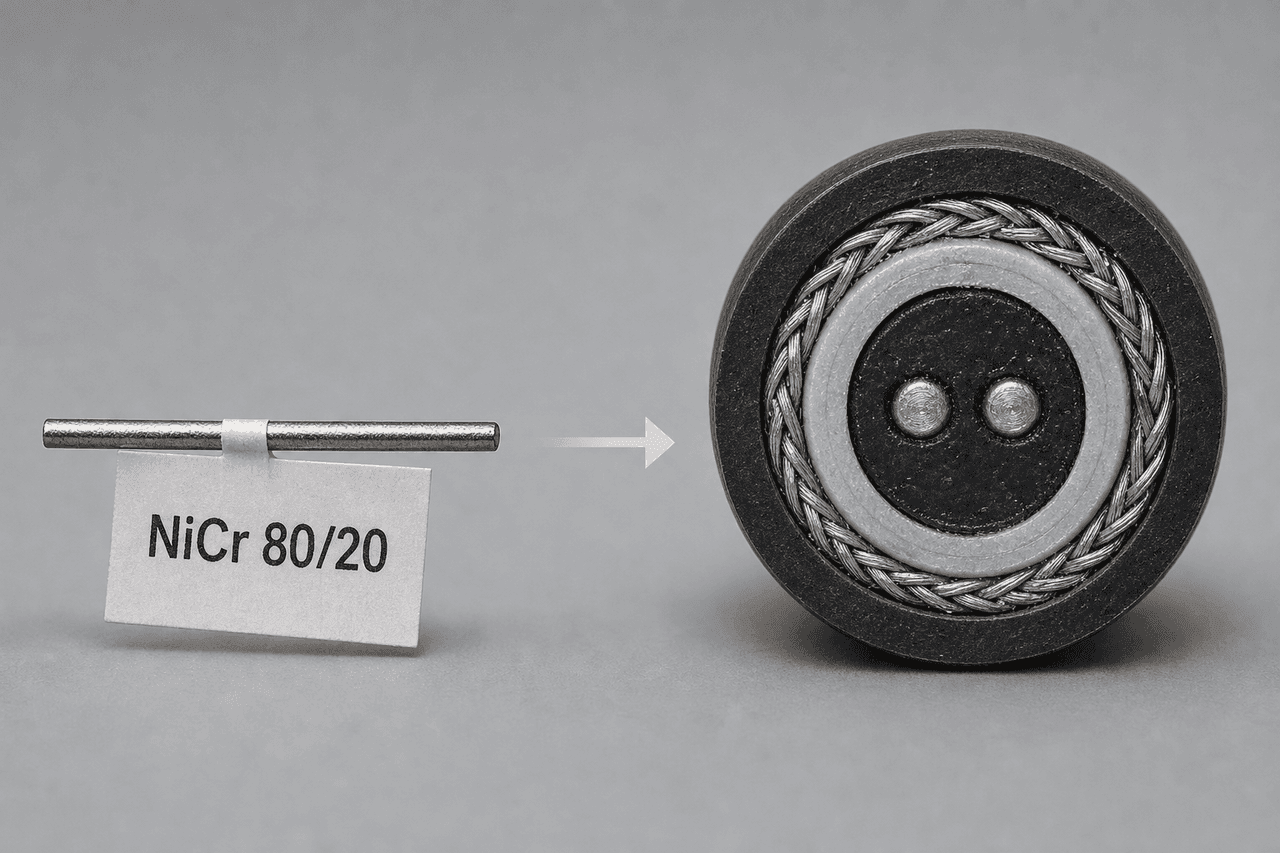
Conductor Alloy Framework for Thermal Sensor Cables
NiCr, FeCrAl and nickel superalloy compared for LHD and thermosensitive cable duty — resistance stability, atmosphere compatibility, drift, termination and service life.
Read More →LHD & Fire Protection
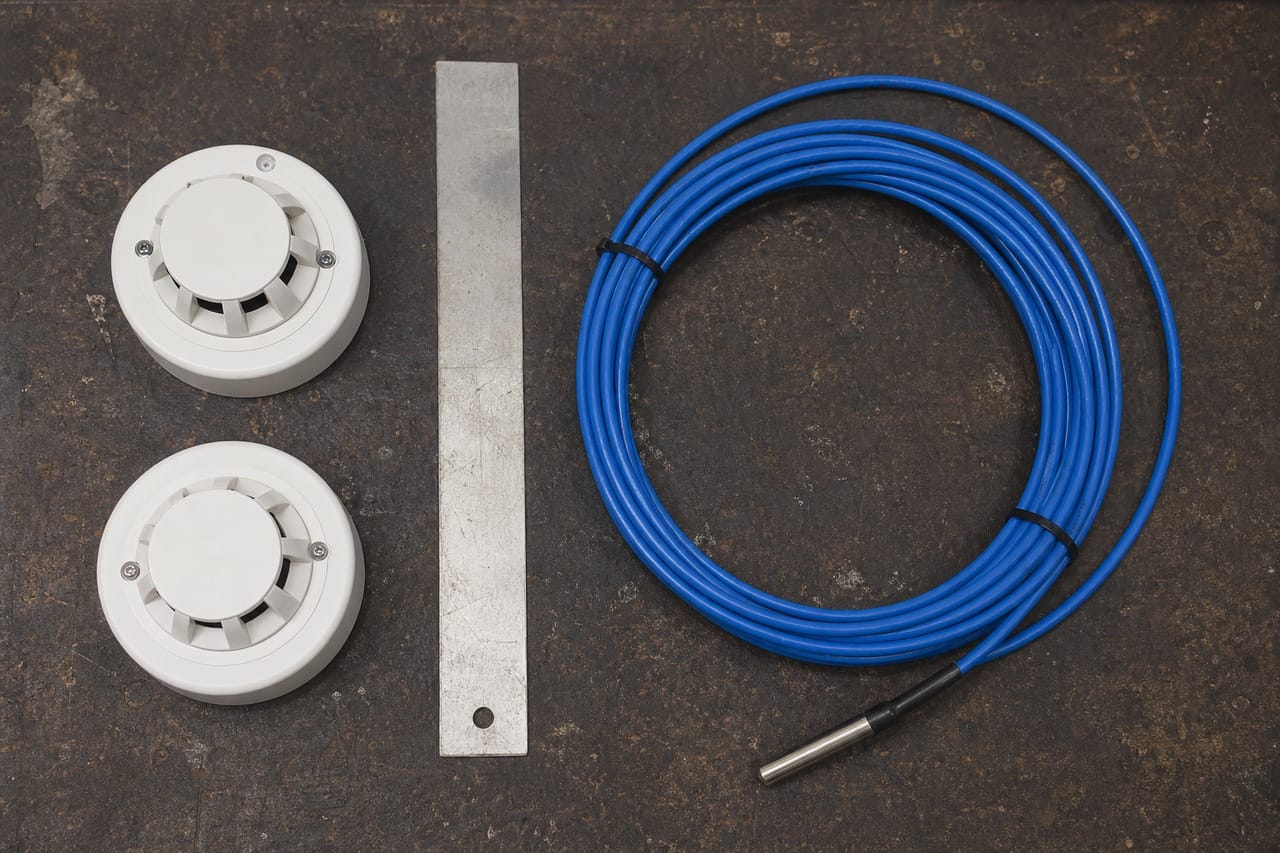
A Grid of Dots, or One Continuous Line? Linear Heat Detection vs Spot / Point Heat Detectors
Point detectors sample discrete spots on a spacing grid; a linear cable senses the hottest point anywhere along its length. Coverage geometry, location resolution, false-alarm behaviour, access and cost, the EN 54-5 versus EN 54-22/28 standards split, and an honest read on where each class actually fits.
Read More →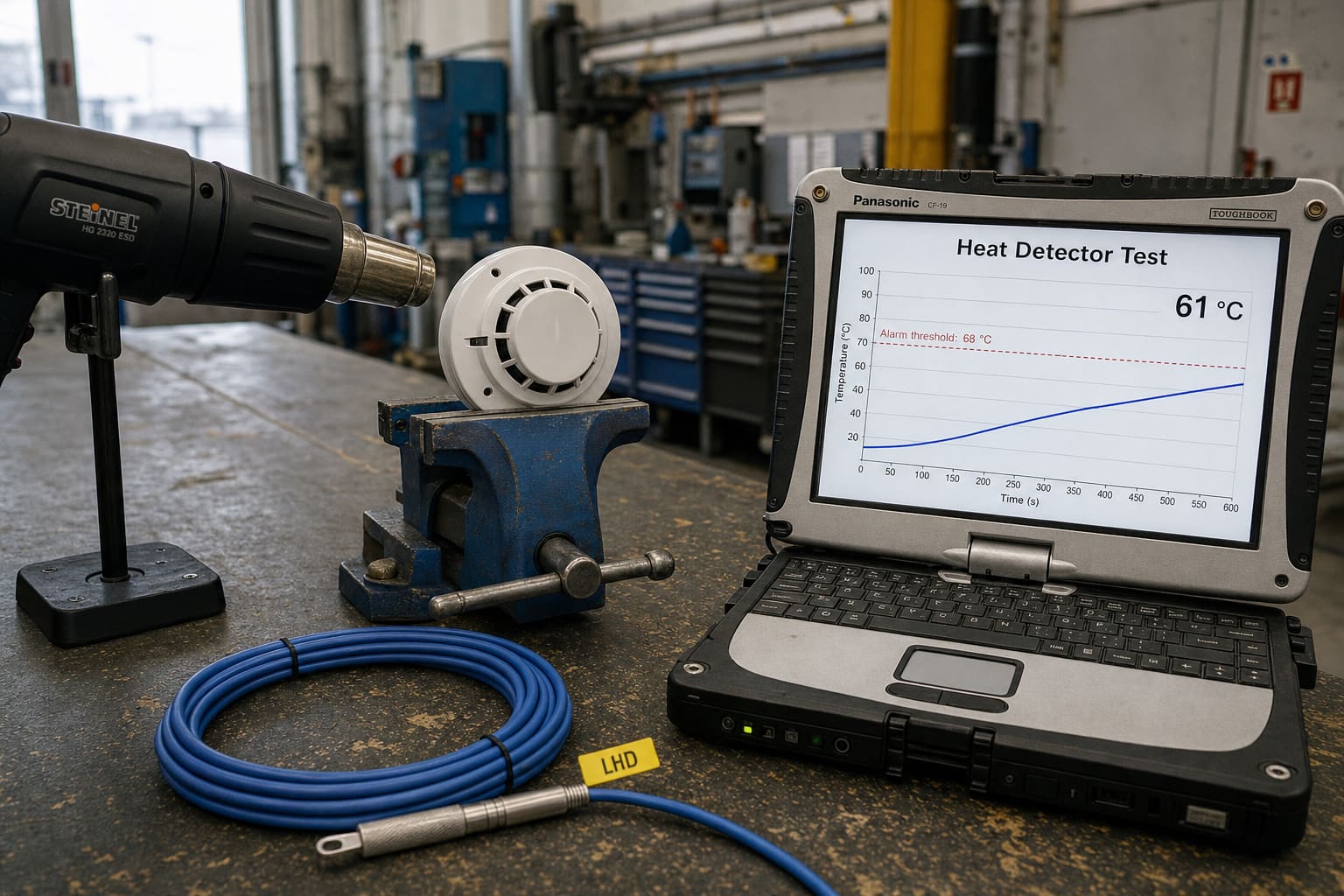
How Hot, or How Fast? Fixed-Temperature vs Rate-of-Rise vs Analogue Heat Detection
Fixed-temperature, rate-of-rise and analogue are three different detection modes, not price tiers — and buyers routinely confuse them with detector structure. What each triggers on, the ~8.3 °C/min rate threshold, the combination backstop, rate compensation, and why fusible LHD cable is fixed-temperature by physics.
Read More →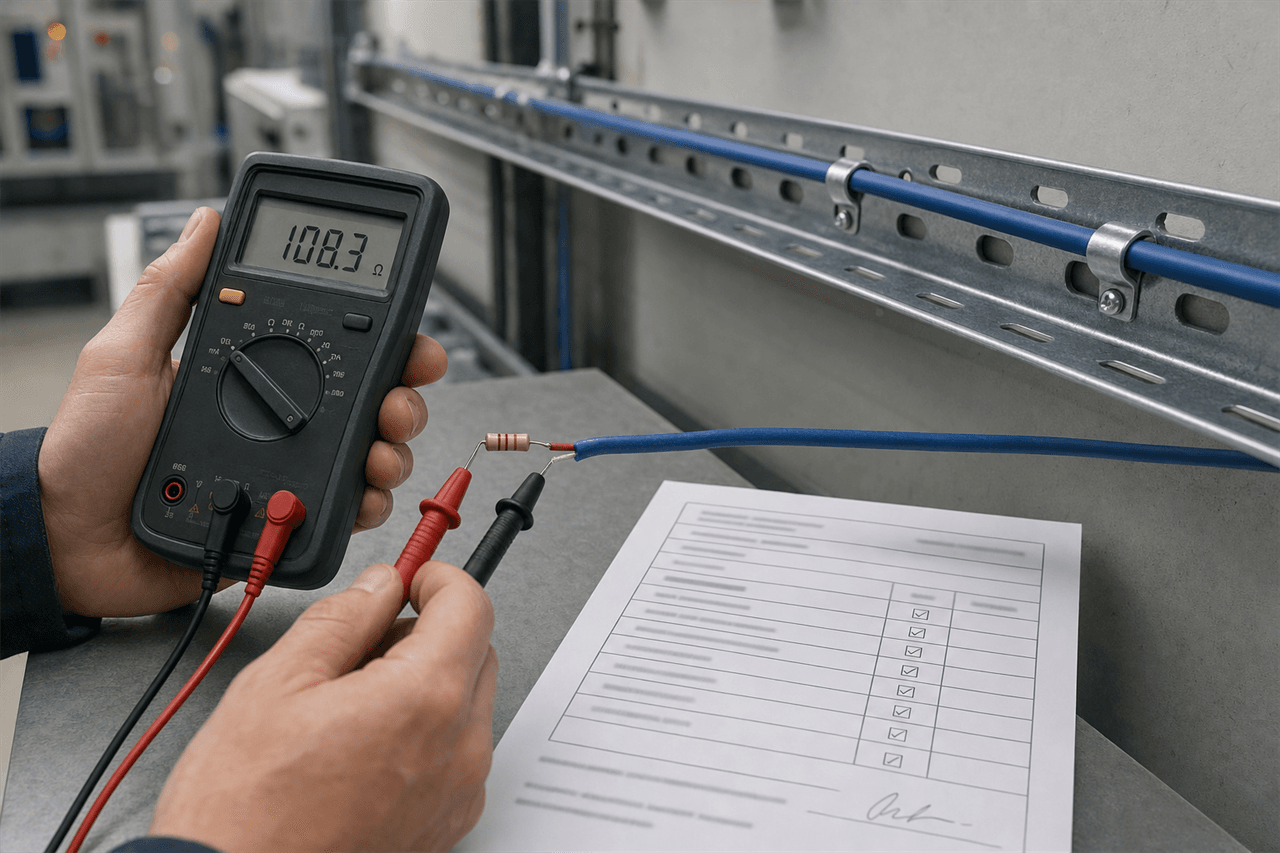
Installed Is Not Accepted: LHD Cable Commissioning and Acceptance Testing
Wired and quiet is not the same as accepted. The de-energised checks done before power-on, the live functional tests that drive the loop through every state the panel must recognise, why the installed run is generally not heated to activation, and the acceptance record that hands a fire-detection zone over to the authority having jurisdiction.
Read More →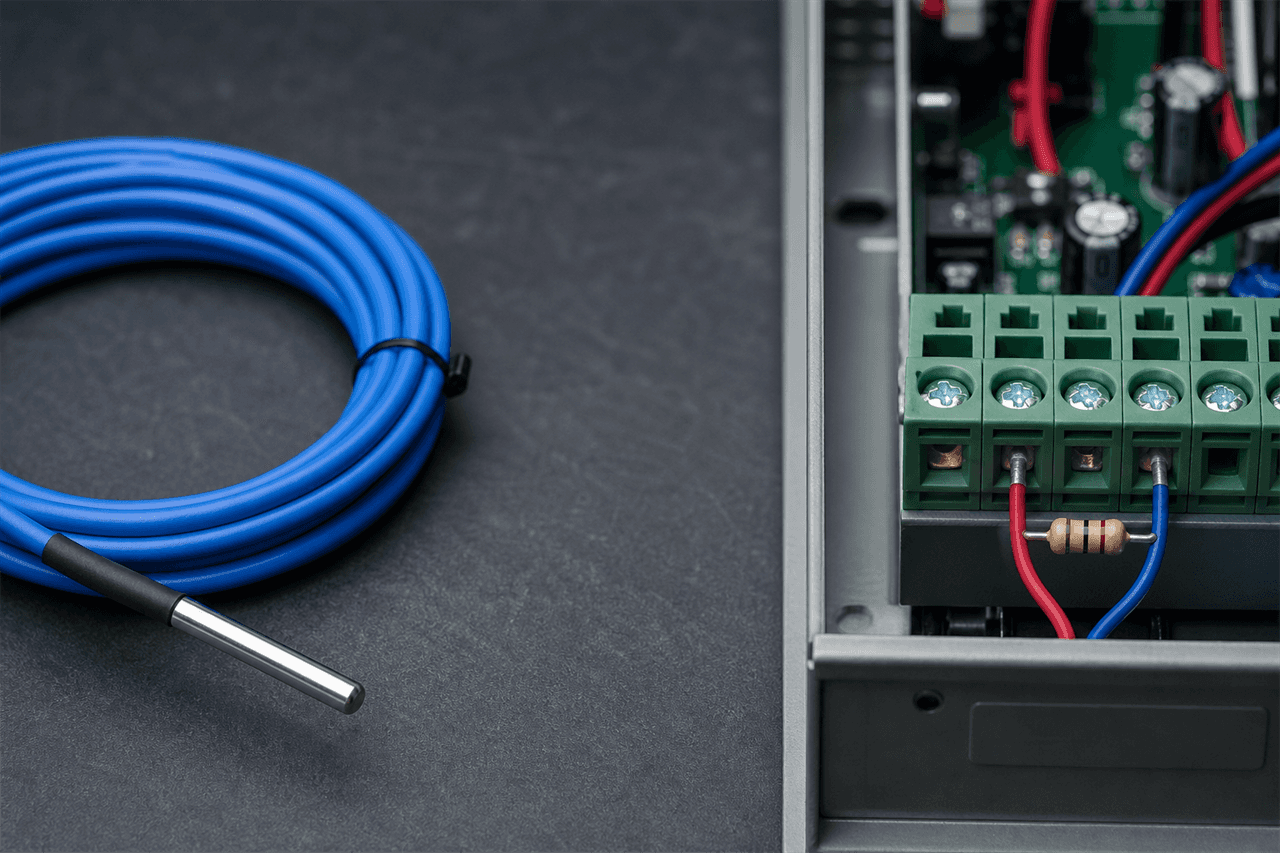
“Will It Work With My Panel?” Is the Wrong Question: Thermal Sensor Cable Panel Compatibility
Panel compatibility is not a yes-or-no — it is four separate matches between a cable and a specific fire-alarm panel: signal type, end-of-line window, supervisory voltage and interface module. Why signal type is where most mismatches hide, how architecture narrows the panels a cable reads cleanly on, and how to confirm it all on the RFQ before the order.
Read More →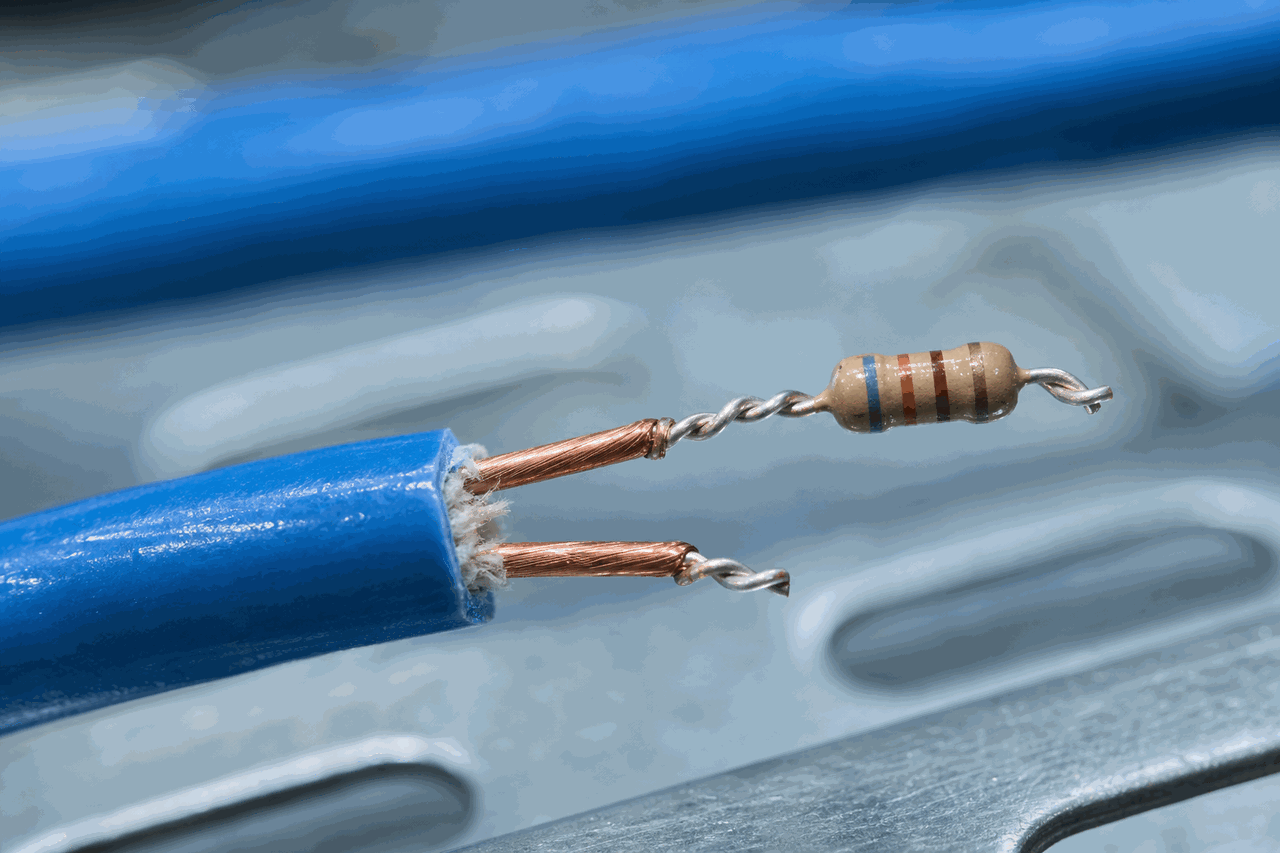
The Resistor That Proves the Cable Is Still There: LHD End-of-Line Resistor and Loop Resistance Calculation
How a fire panel supervises an LHD cable by reading loop resistance — why the end-of-line resistor value belongs to the panel, how to calculate the resistance the cable adds over a run, a worked example against the panel's window, multi-zone and Class A/B wiring, and a commissioning check.
Read More →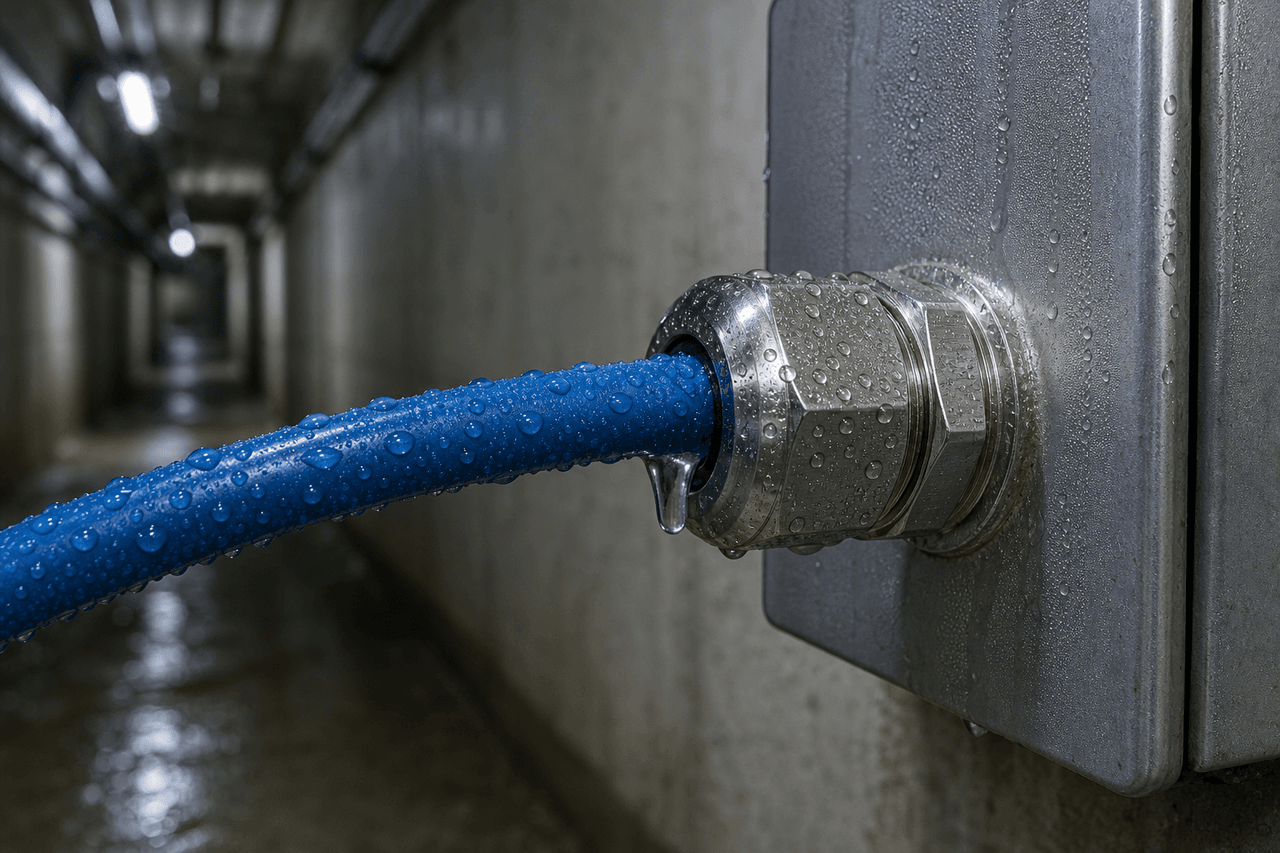
The Rating Stops Where the Cable Does: Thermal Sensor Cable IP Rating and Moisture Ingress
Why an IP68 reel can still drift into nuisance alarms years later — the gap between the cable's rated IP and the installed loop's, where moisture actually enters, why it reads as a slow drift not a flood, and how to specify IP67 versus IP68 across the cable, the termination and the install.
Read More →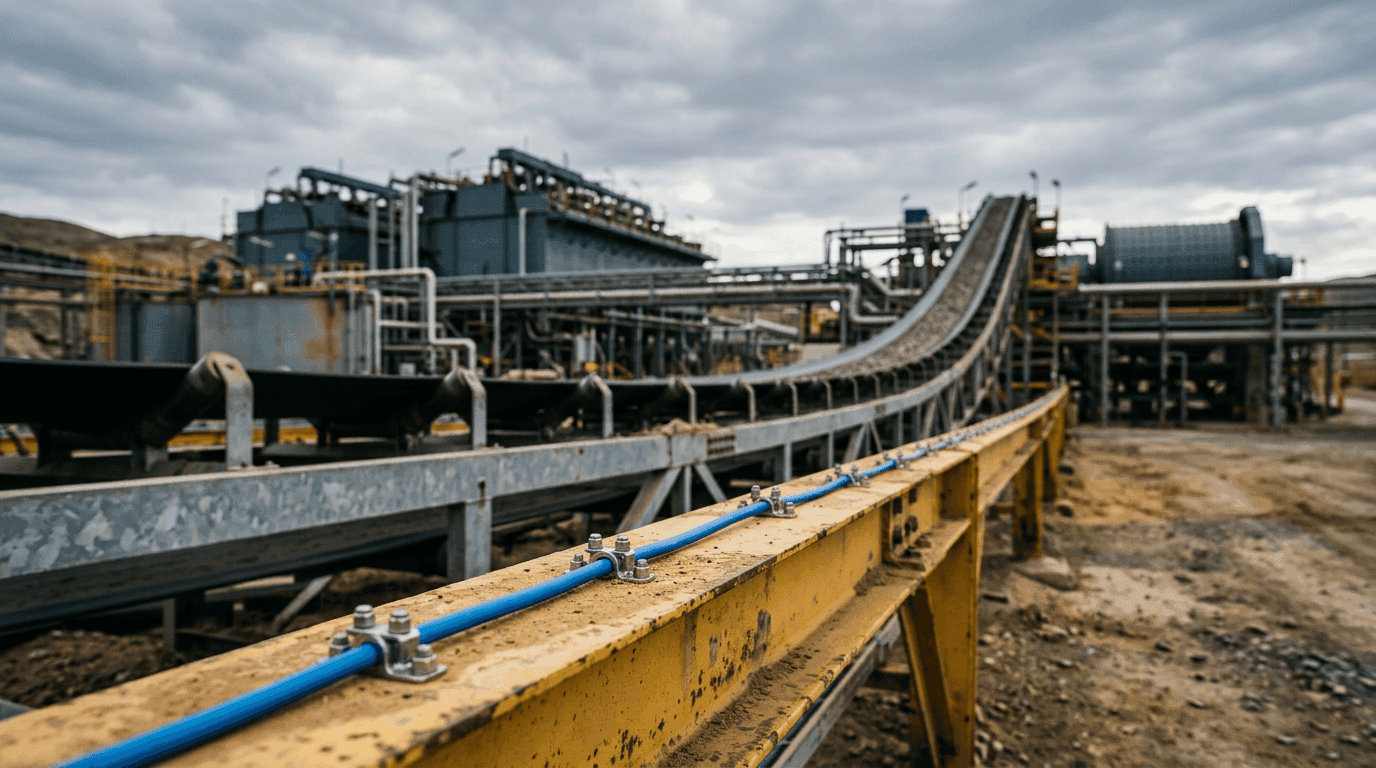
LHD Cable Durability in Chemical & Mining Facilities
Corrosive vapors, abrasive dust and continuous vibration are where ordinary fire detection gives up. Here is how jacket chemistry and cable-routing strategy keep linear heat detection alive in the hardest sites.
Read More →
Low-Maintenance LHD for Infrastructure You Can't Reach
Tunnels, cable galleries, bridge cavities and under-floor data-center voids — why non-resettable linear heat detection is the only practical fire sensor when physical access is a problem.
Read More →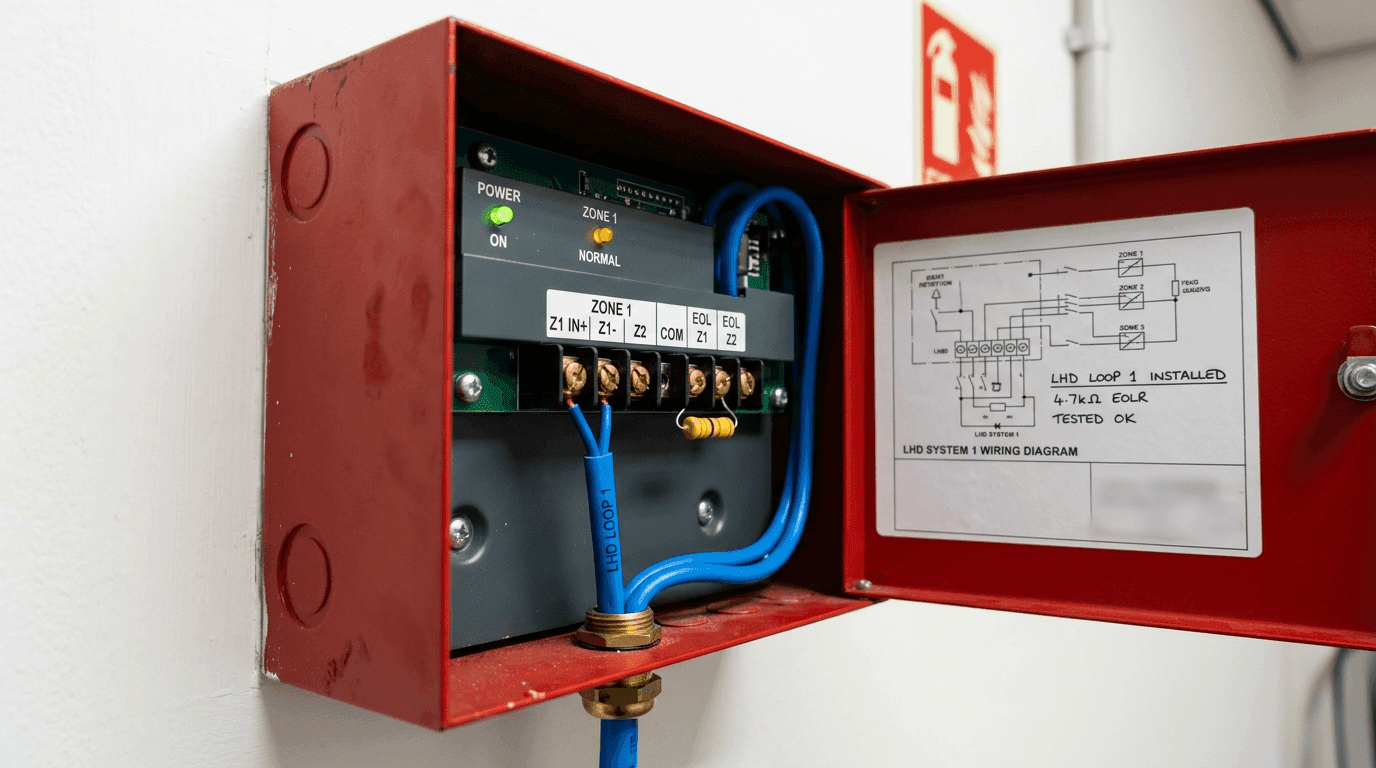
Linear Heat Detection, End-to-End
How LHD differs from point detectors, the two detection topologies in the wild, end-of-line resistor logic, installation geometry and the maintenance cadence you should actually plan for.
Read More →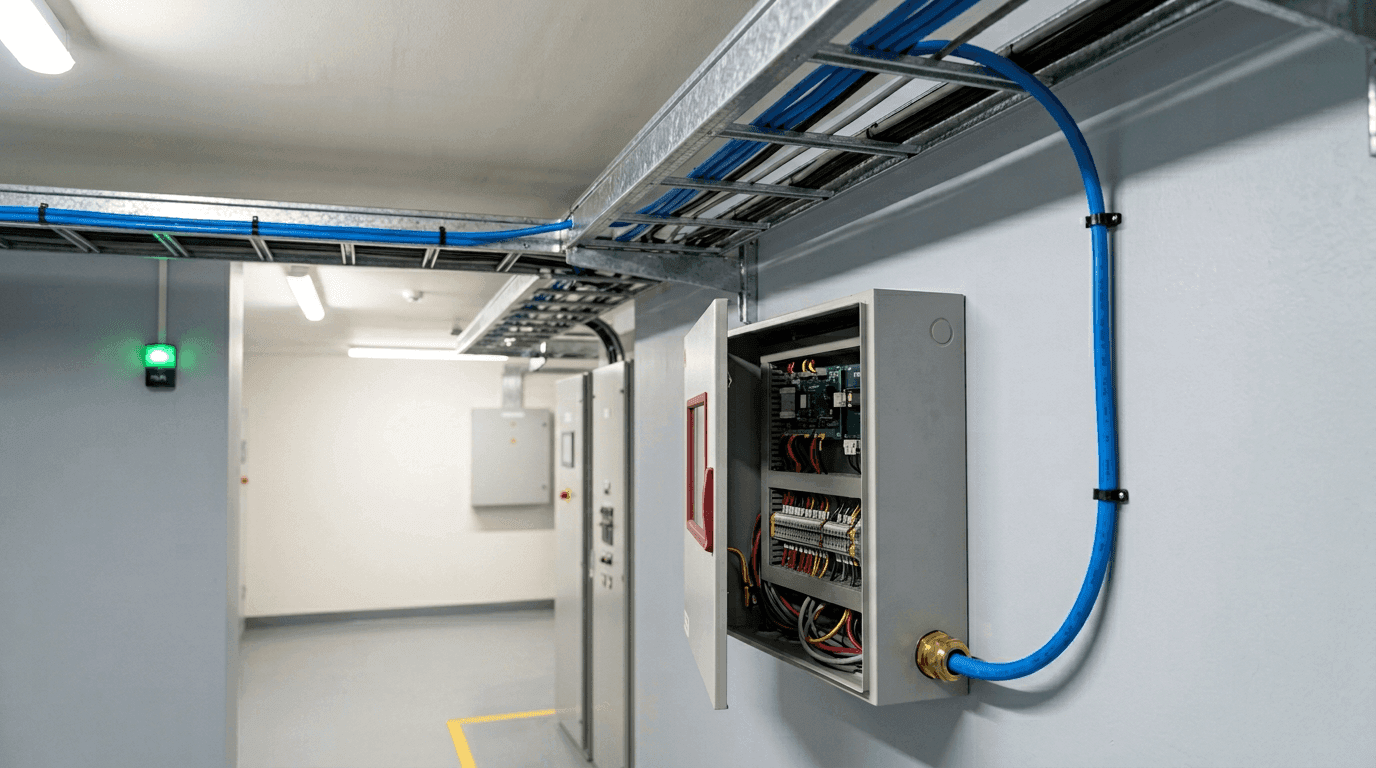
Thermal Sensor Cables Inside a Fire-Protection System
Where the thermal cable sits on a panel drawing, how the activation signal reaches the control unit and what a commissioning engineer actually looks at during acceptance testing.
Read More →Buyer's Guides & Quality
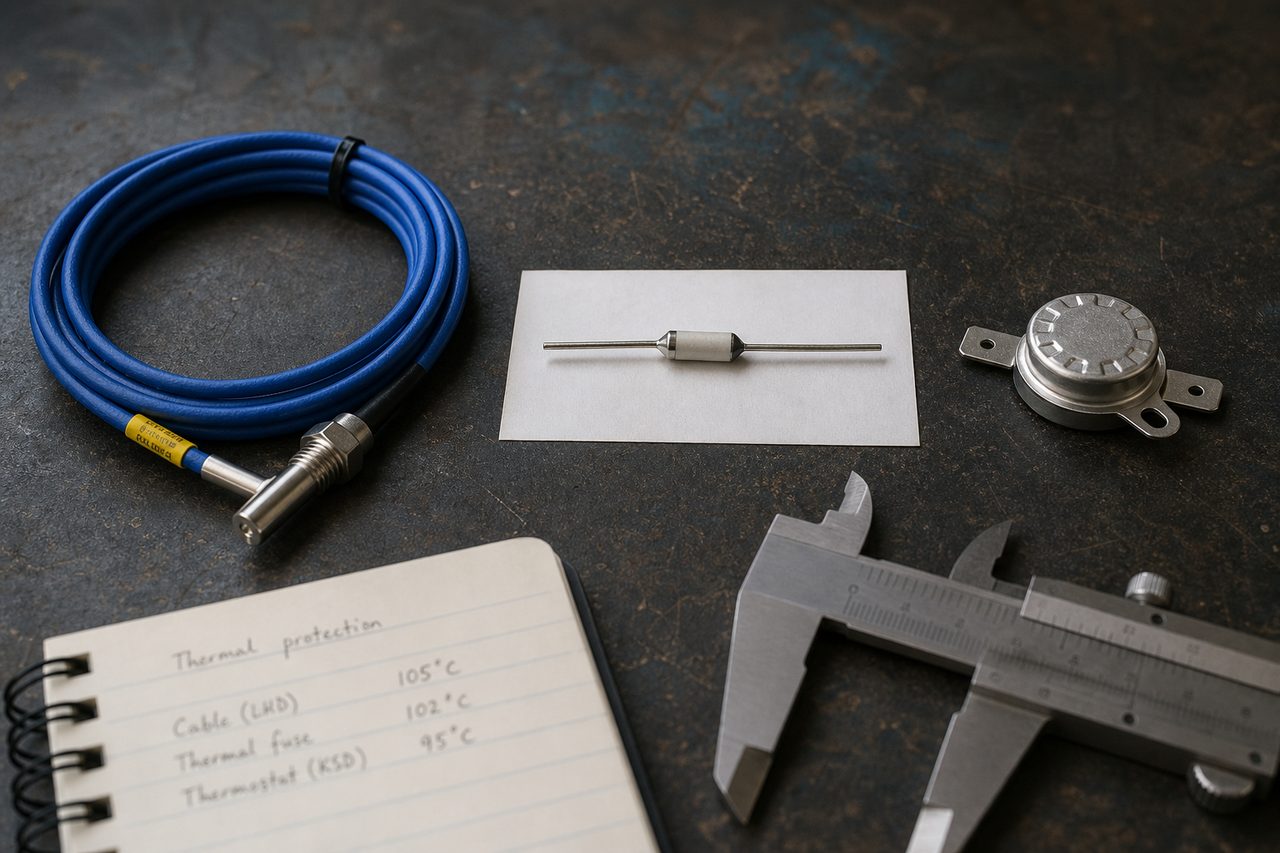
Cut Once, or Cover the Whole Line? Thermal Cutoff Cable vs Thermal Fuse vs Bimetallic Thermostat
Three parts that all cut power on over-temperature — a one-shot thermal fuse, an auto-reset bimetallic thermostat, and a cable that watches a whole run. What each triggers on, what happens after the trip, whether it carries the load itself, and which your product actually needs.
Read More →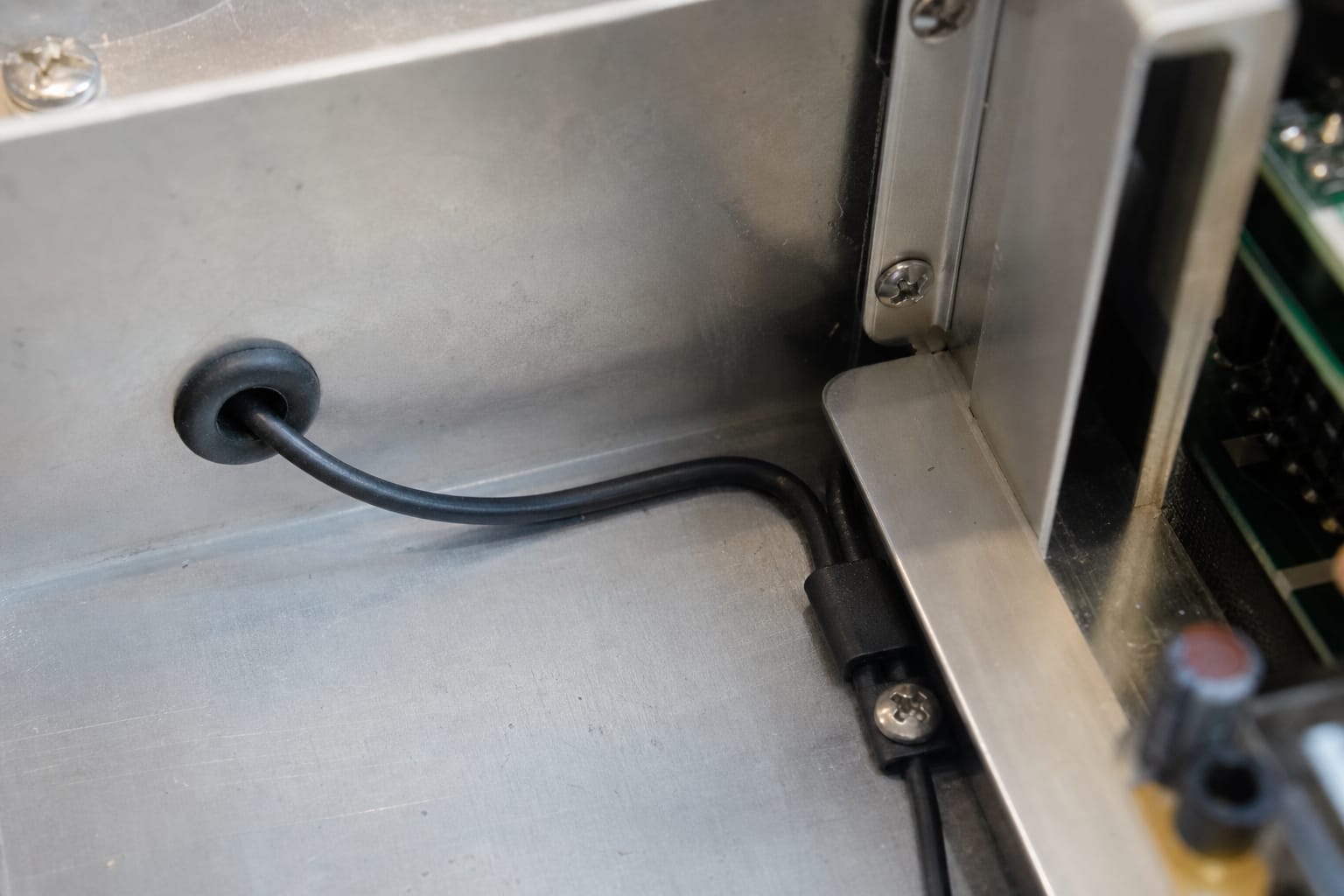
It Fits on the Datasheet, Not in the Housing: Bend Radius & Mechanical Envelope for OEM Thermal Cable
A thermal cable can pass every electrical line and still fail the enclosure. The mechanical envelope — outer diameter, minimum bend radius, crush and pull — is the OEM spec most often left implicit. What bend radius really means, static versus dynamic, what happens when you bend past it, and how to put the mechanical spec on an RFQ.
Read More →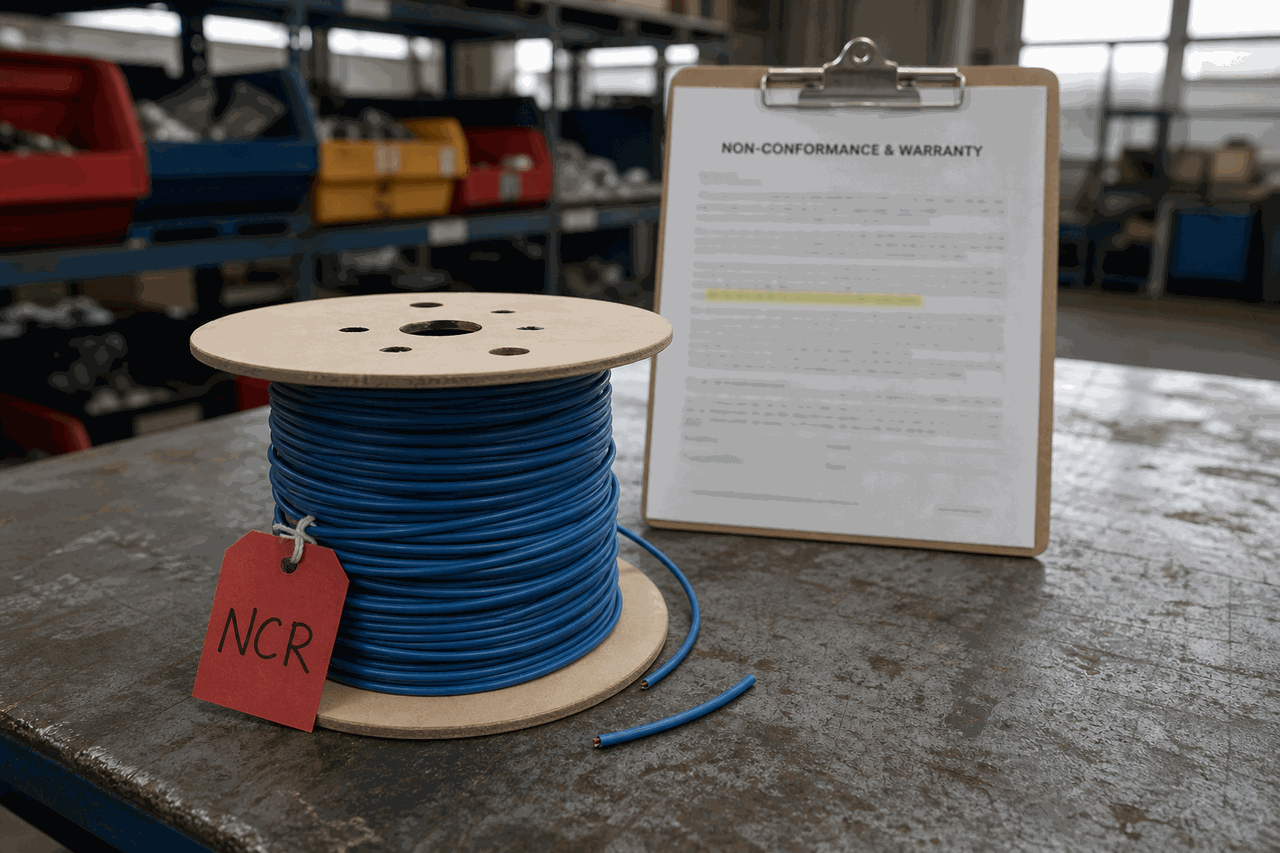
A Red Tag Is Not a Remedy: NCR and Warranty Terms in a Supplier Agreement
A red NCR tag records a problem; the agreement behind it decides who replaces the reel, who pays the freight, how fast, and whether coverage applies to a defect that surfaces months later. The non-conformance lifecycle, the four dispositions, what a warranty covers and excludes, and the clauses worth naming in a supplier agreement.
Read More →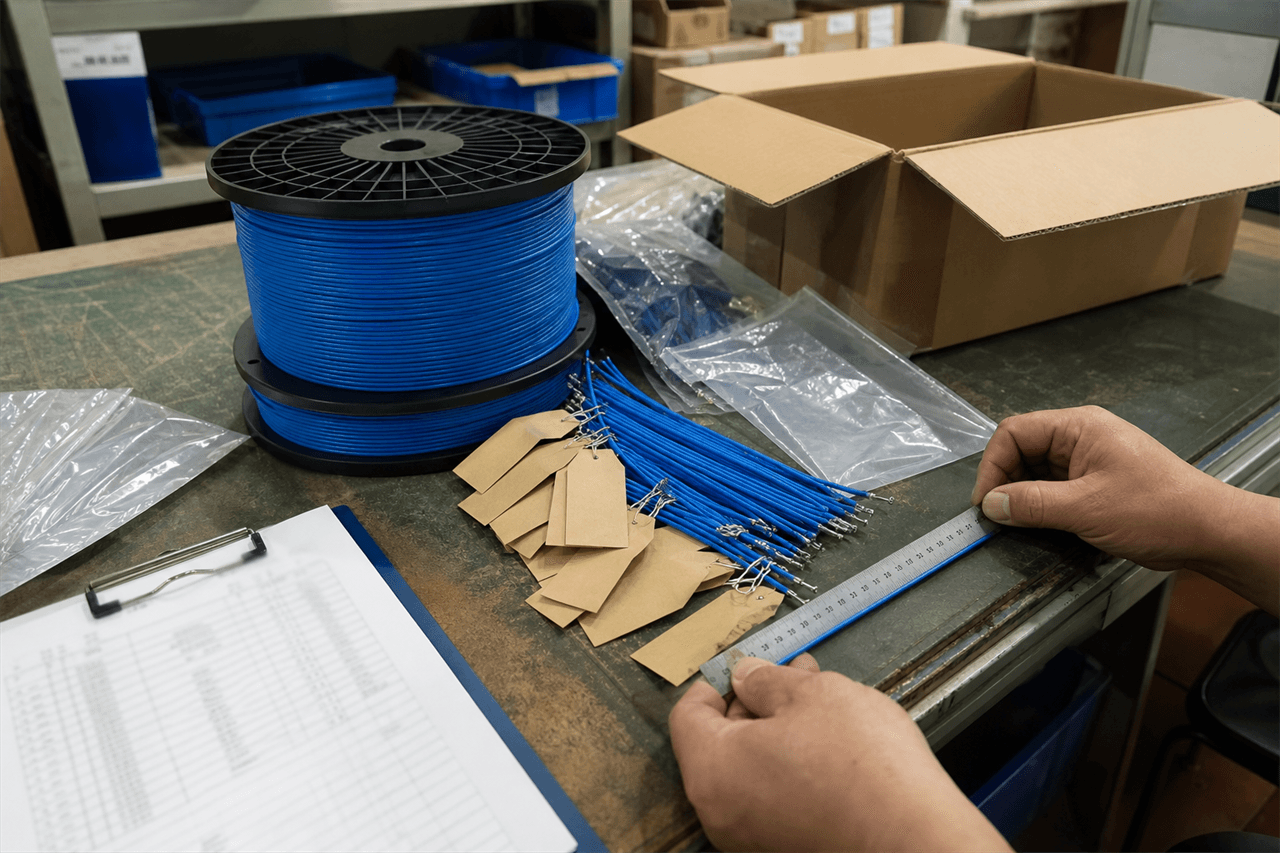
A Reel Is Not a Bill of Materials: Cut-to-Length vs Spool for Thermosensitive Cable
A spool is bulk stock; cut-to-length pieces are line-ready parts that map to a BOM. How an OEM decides who owns the cut, what the length tolerance is worth, how each piece stays traceable, and how to write the delivery format onto the RFQ.
Read More →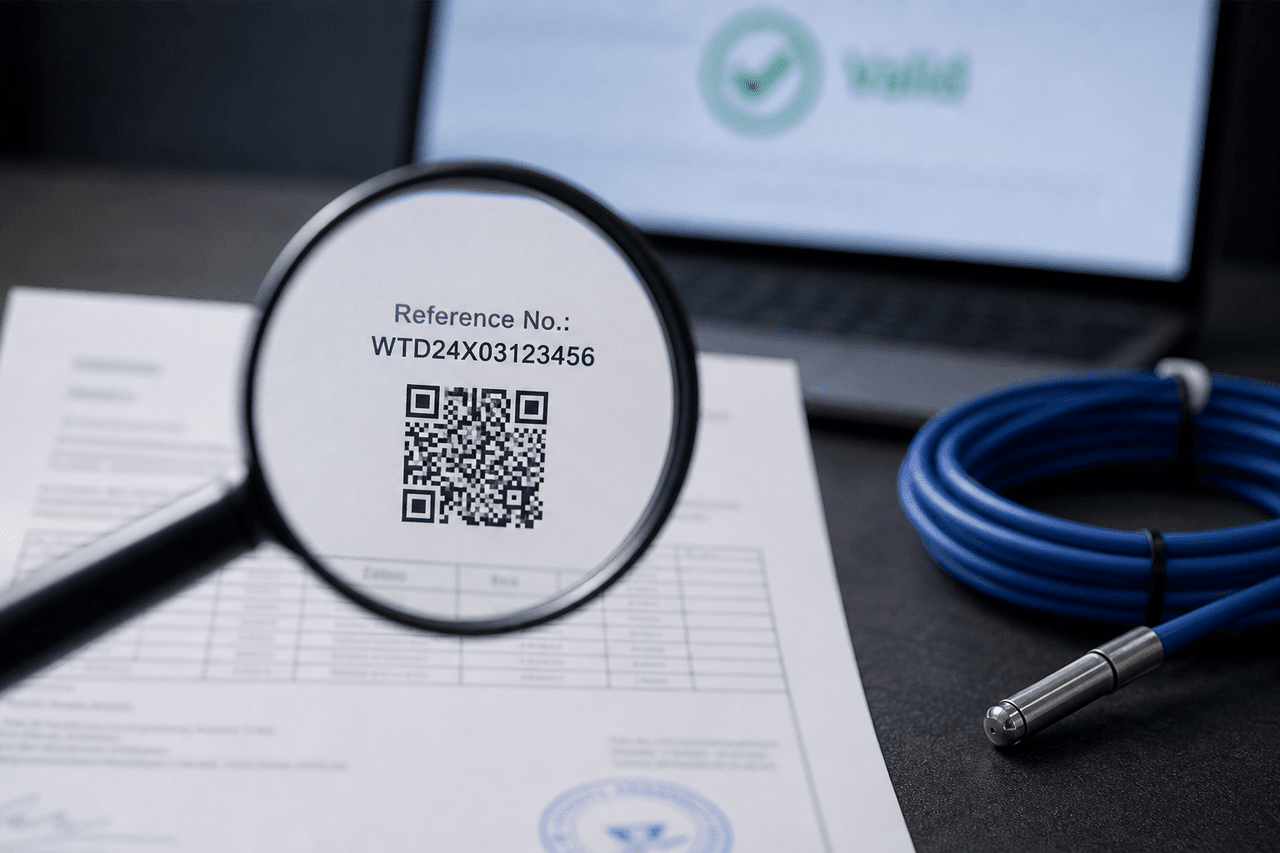
Anyone Can Print a Logo: Verifying a Third-Party Thermal Sensor Cable Certificate
A third-party logo on a PDF proves little on its own — how a test report, a certification and a factory mark differ, how to confirm the issuing body is accredited and the reference number is genuine, how to read a certificate's scope so it covers your model and plant, the red flags to watch for, and how to write verification into the RFQ.
Read More →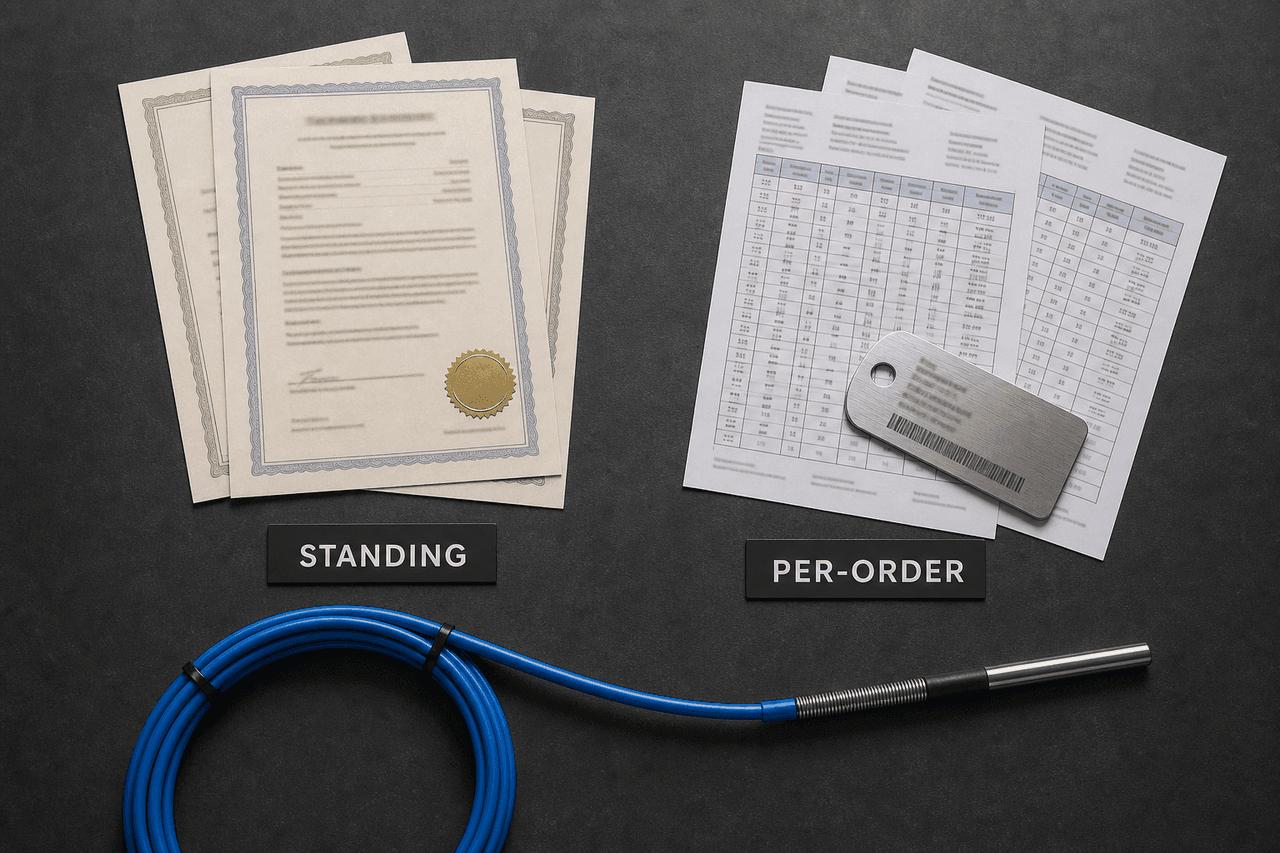
Ask for the Paper, Not the Promise: The Document Package Every Buyer Should Request
The document package a thermal sensor cable buyer should request — the standing-versus-per-batch split, what each document actually proves, when in the buying process to ask for each, the weak-version signals to read, and how to write the package into the RFQ.
Read More →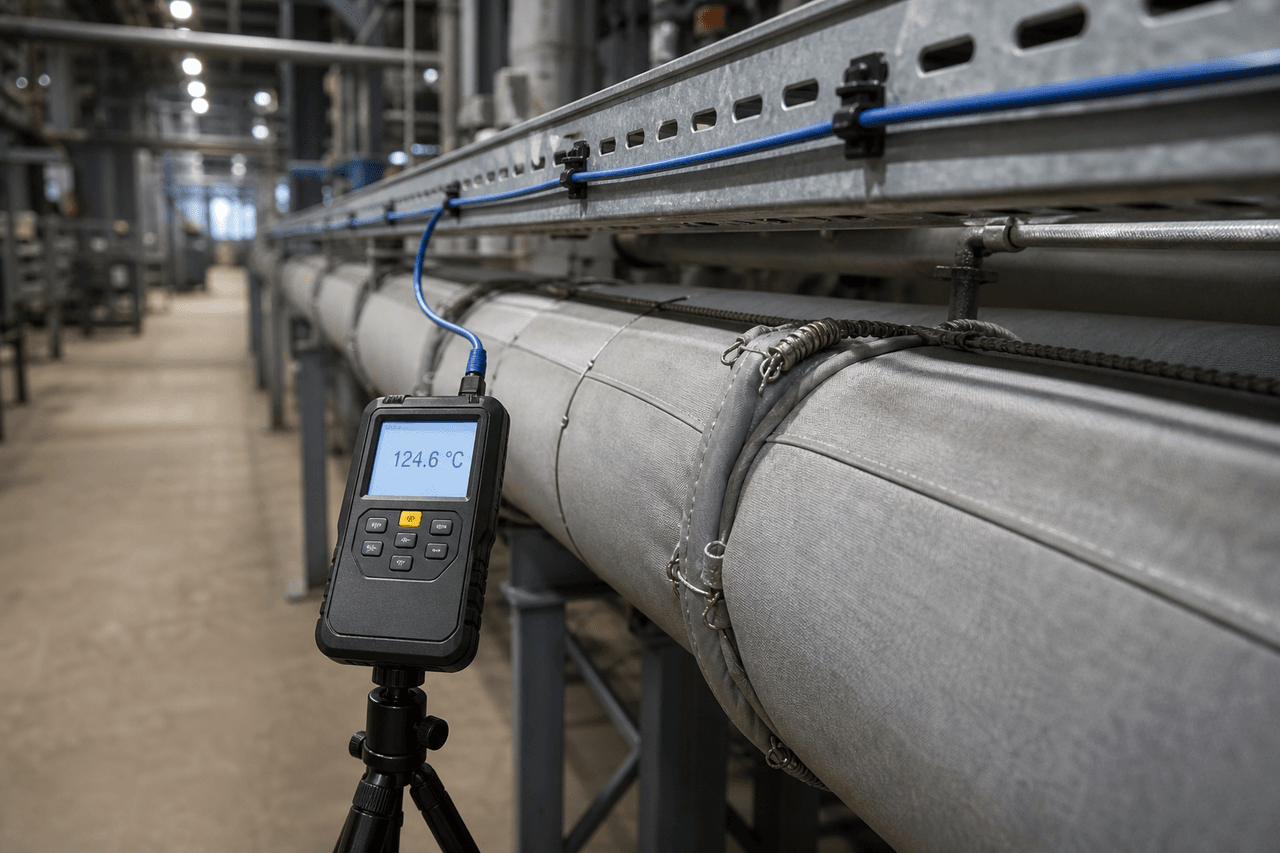
Where It Lives Is Not Where It Trips: Working Ambient vs Activation Temperature
The working ambient is the temperature a thermal sensor cable has to live with for years of service — what it actually includes beyond a steady-state figure, how to survey a route instead of quoting a nameplate, the two-directional error of getting it wrong, and how to write it as its own spec row.
Read More →
Designed Against Is Not Certified: How LHD Cable Buyers Should Read EN 54-22, UL 521 and FM 3210
A buyer-side compliance map for LHD fire-detection standards — what EN 54-22, EN 54-28, UL 521 and FM 3210 each govern, why designed against is not certified, what one certificate cannot tell you, and how to turn the map into RFQ lines and a document review.
Read More →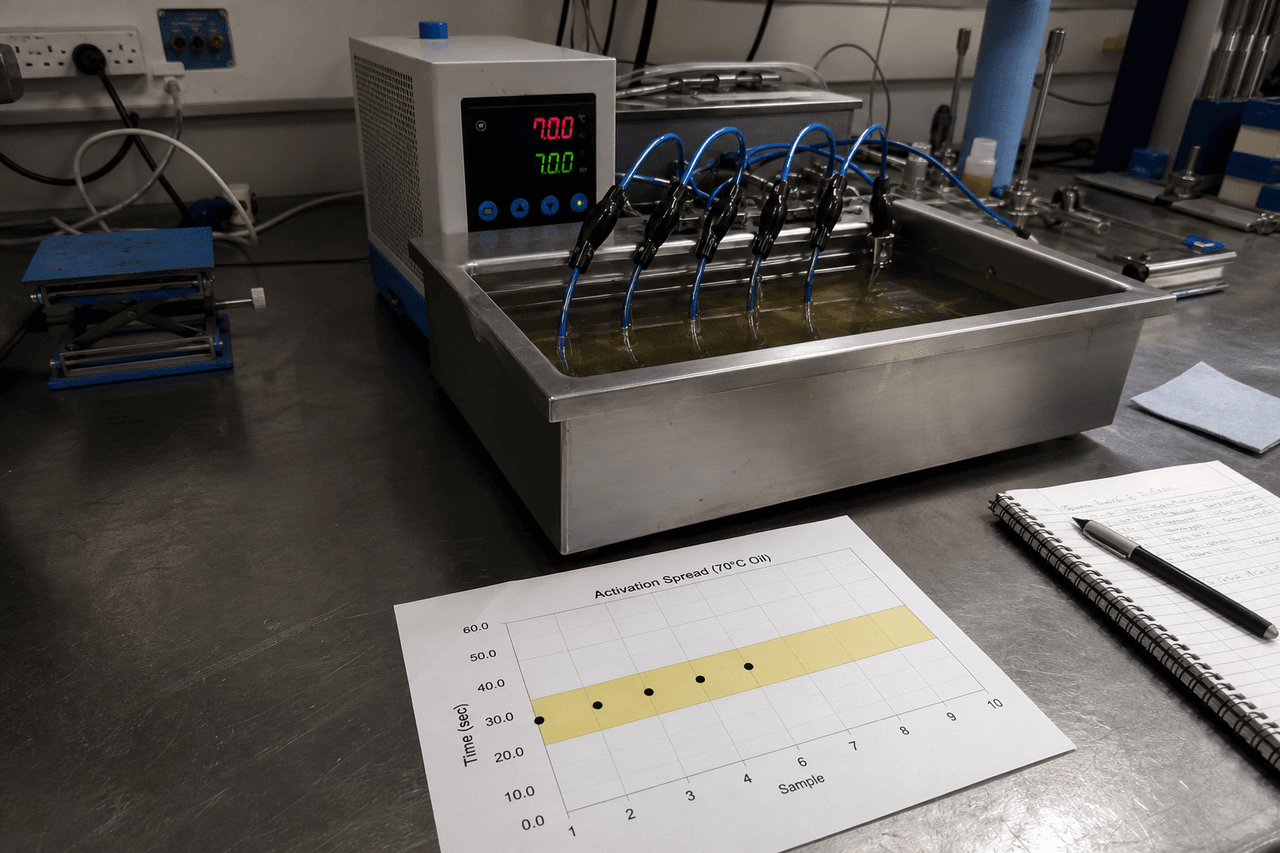
How Tight Can You Go? Specifying Custom Activation Tolerance for Thermal Sensor Cable
The tolerance band read as a production distribution rather than a per-metre promise, a ±15 / ±10 / ±5 K feasibility ladder, what tightening costs, the device-side cases where a tight band earns its place, and how to write and verify it.
Read More →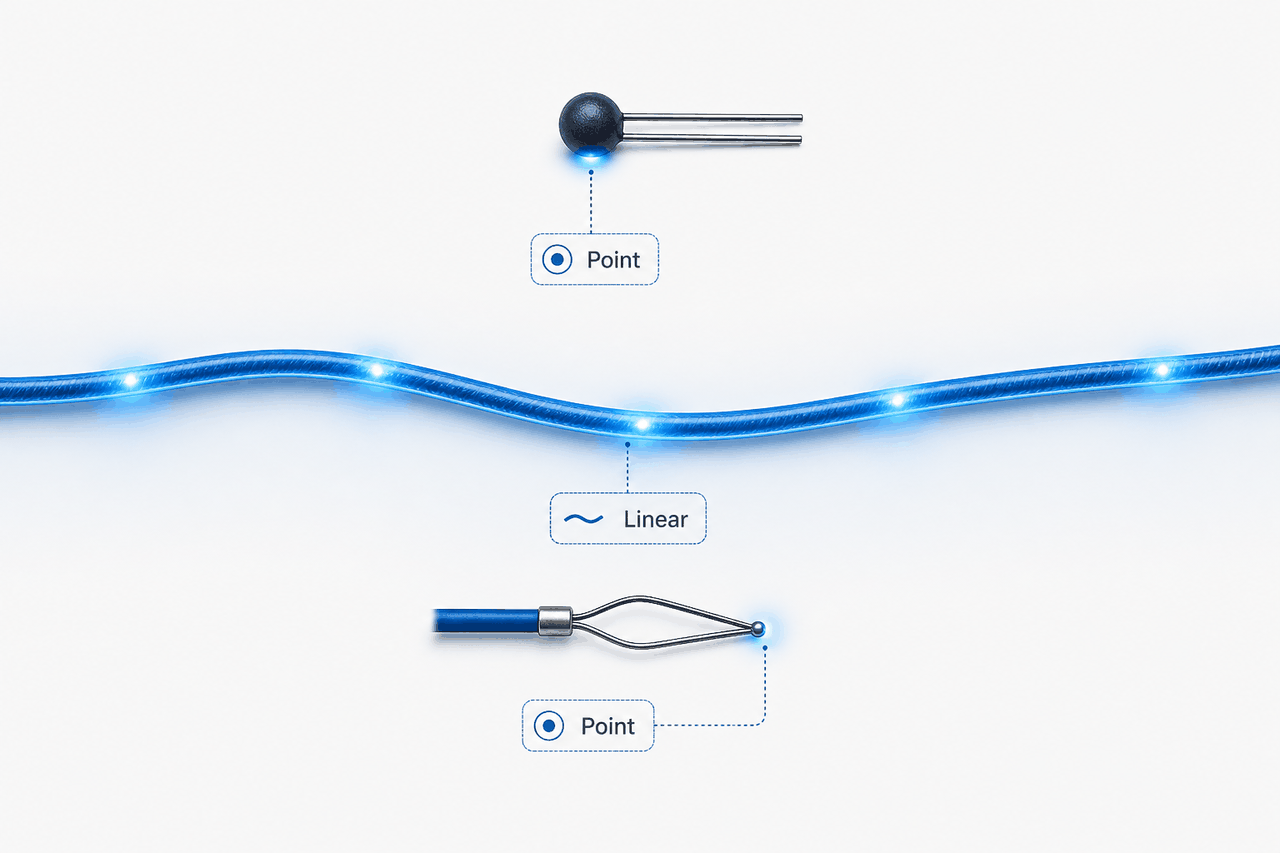
When the Sensor Is Also the Trigger: Thermal Sensor Cable vs NTC Thermistor vs Thermocouple
The sensor-type decision upstream of the cable spec — measure vs trigger, point vs linear coverage, a six-axis three-sensor matrix, five deployment scenarios and how thermal sensor cable, NTC thermistor and thermocouple layer rather than compete.
Read More →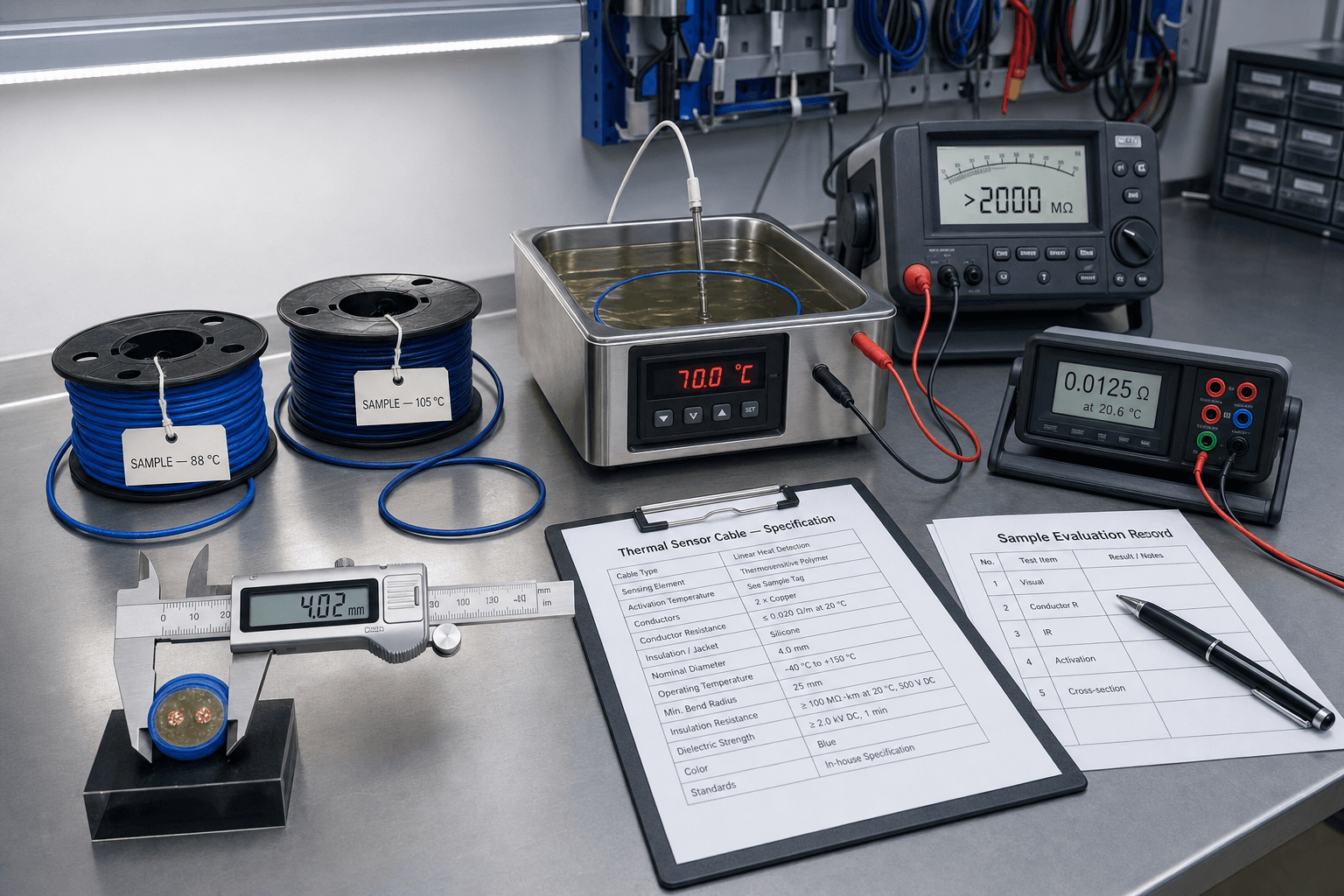
Thermal Sensor Cable Sample Evaluation Procedure — From Reel Arrival to Verdict
A pre-PO sample evaluation procedure: five bench checks read against the written specification, a four-tier verdict — go, qualified-go, hold or no-go — and the follow-up actions before the PO issues.
Read More →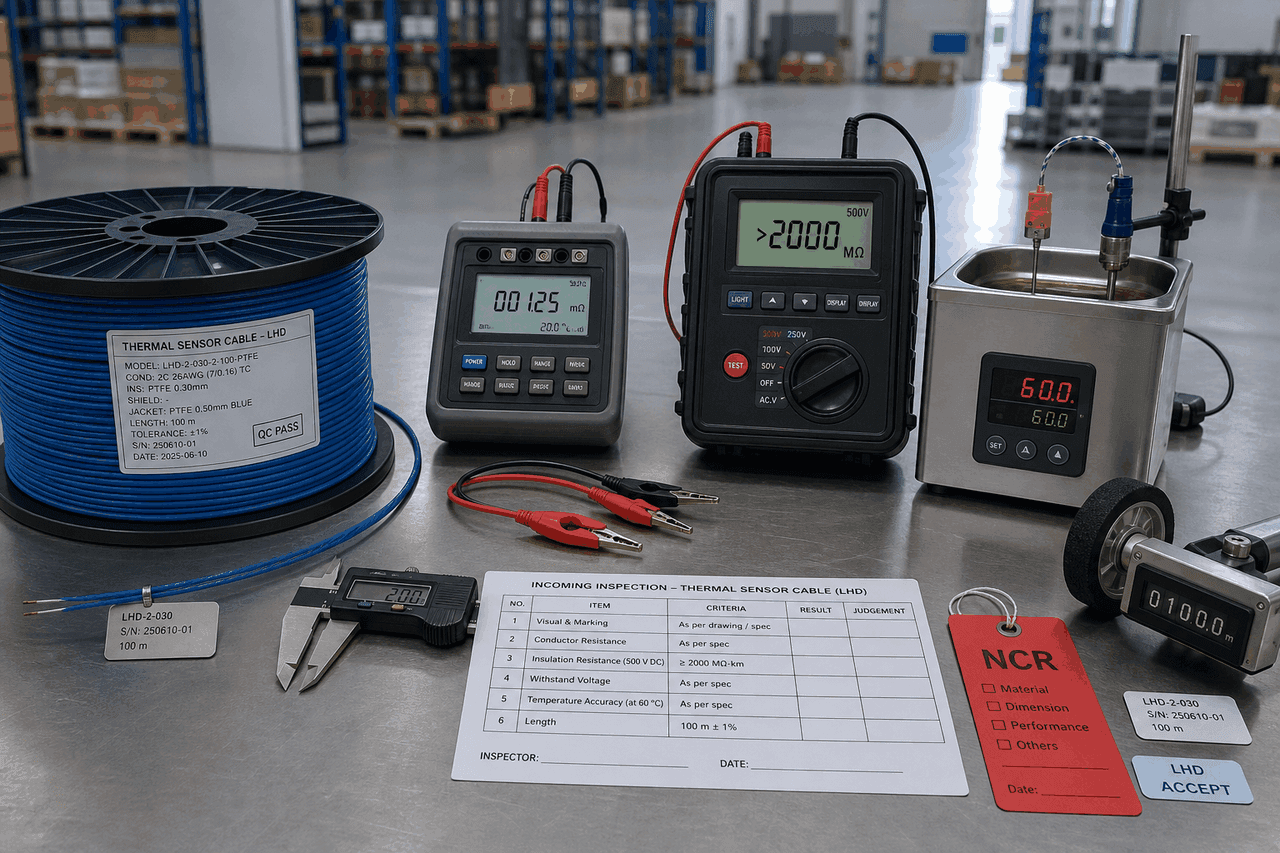
Incoming Inspection SOP for Thermal Sensor Cable — A Buyer's Six-Check Bench Procedure
A step-by-step IQC procedure: six bench checks read against the outgoing batch report, sampling rules across small, medium and large shipments, and a fail recovery flow that ties back to the RFQ non-conformance clause.
Read More →
Activation Temperature Selection for Thermal Sensor Cable — Standard Six versus Custom Set-point
A buyer-side decision path for the six standard activation classes (68, 88, 105, 138, 170, 185 °C), when a custom set-point earns its cost, and how the tolerance band should track route headroom rather than the supplier preference.
Read More →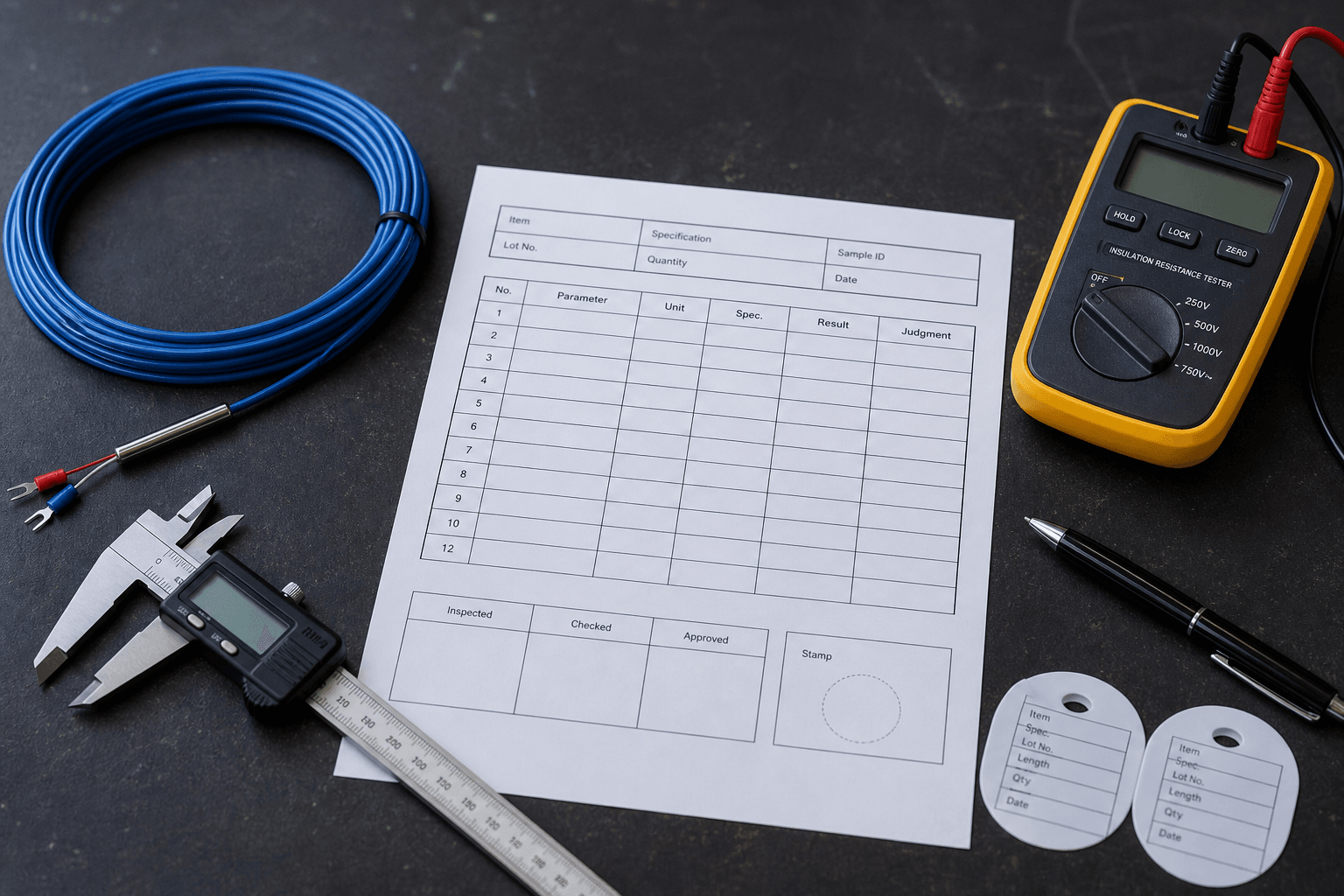
Thermal Sensor Cable Batch Inspection Report — How Buyers Should Read It
A buyer-side guide to reading the report that ships with a thermal sensor cable order — header, nine measured fields, footer, yellow flags and the QC layer behind the page.
Read More →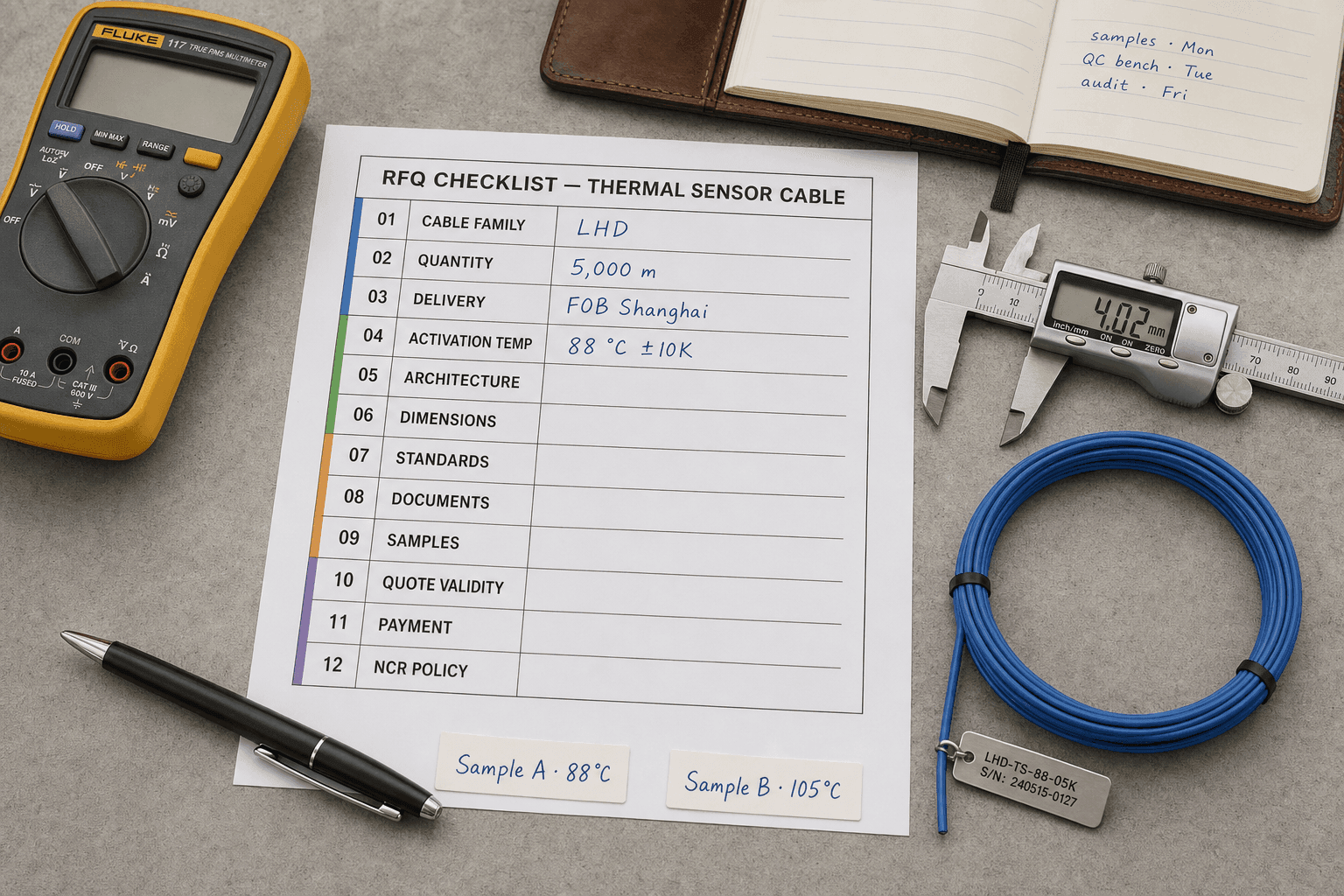
Thermal Sensor Cable RFQ Template — A Buyer's Twelve-Field Checklist
A buyer-side RFQ template grouped into project context, cable specification, compliance documents and commercial terms — twelve fields, one line of recommended wording for each, plus a copy-ready one-page RFQ layout.
Read More →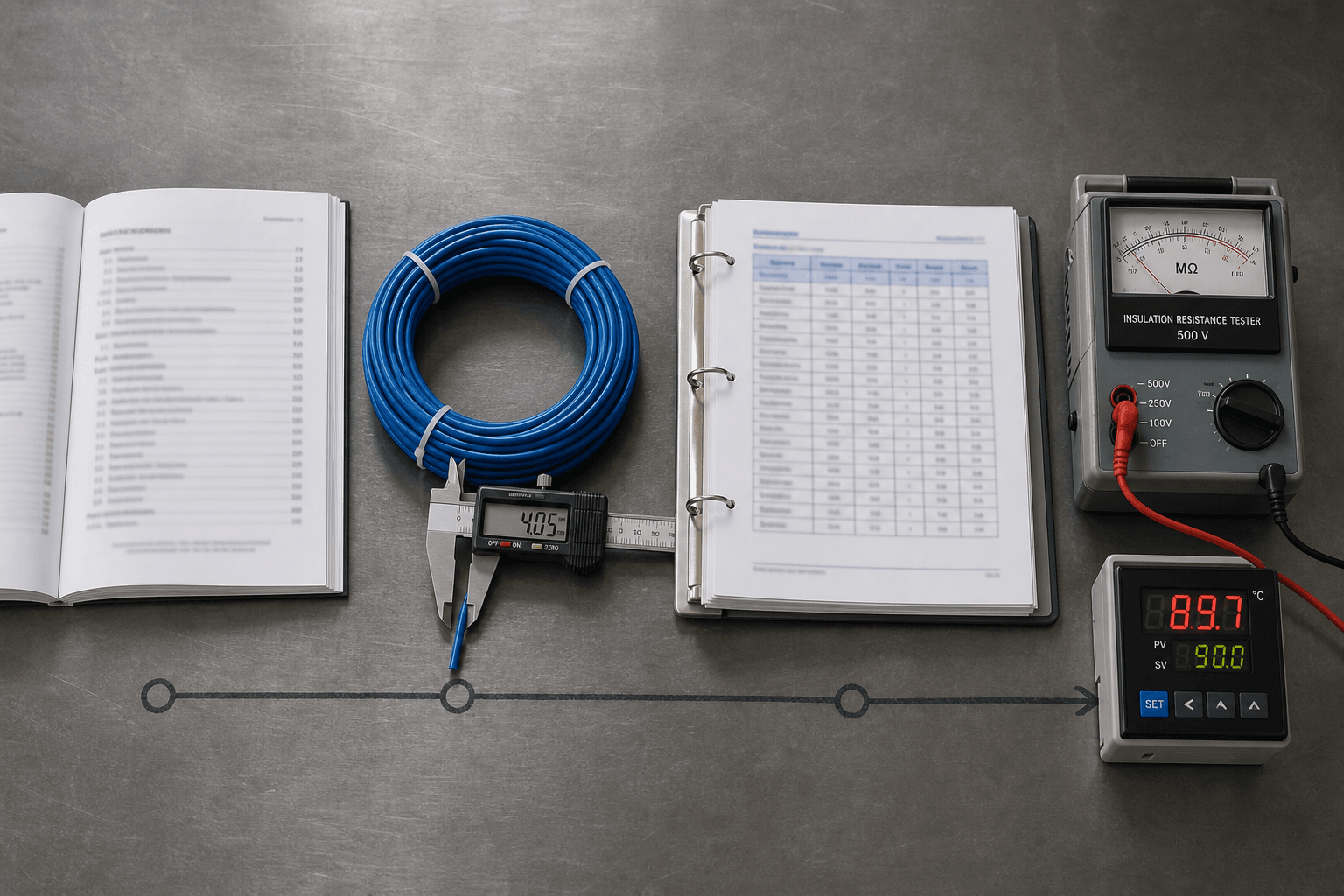
Thermal Sensor Cable Supplier Evaluation — A Buyer's Decision Path
A four-stage decision path for thermal sensor cable supplier evaluation — desk research, sample evaluation, document review and incoming inspection — with a buyer-side reading of EN 54-22, EN 54-28, UL 521, FM 3210 and the IEC standards that matter at each stage.
Read More →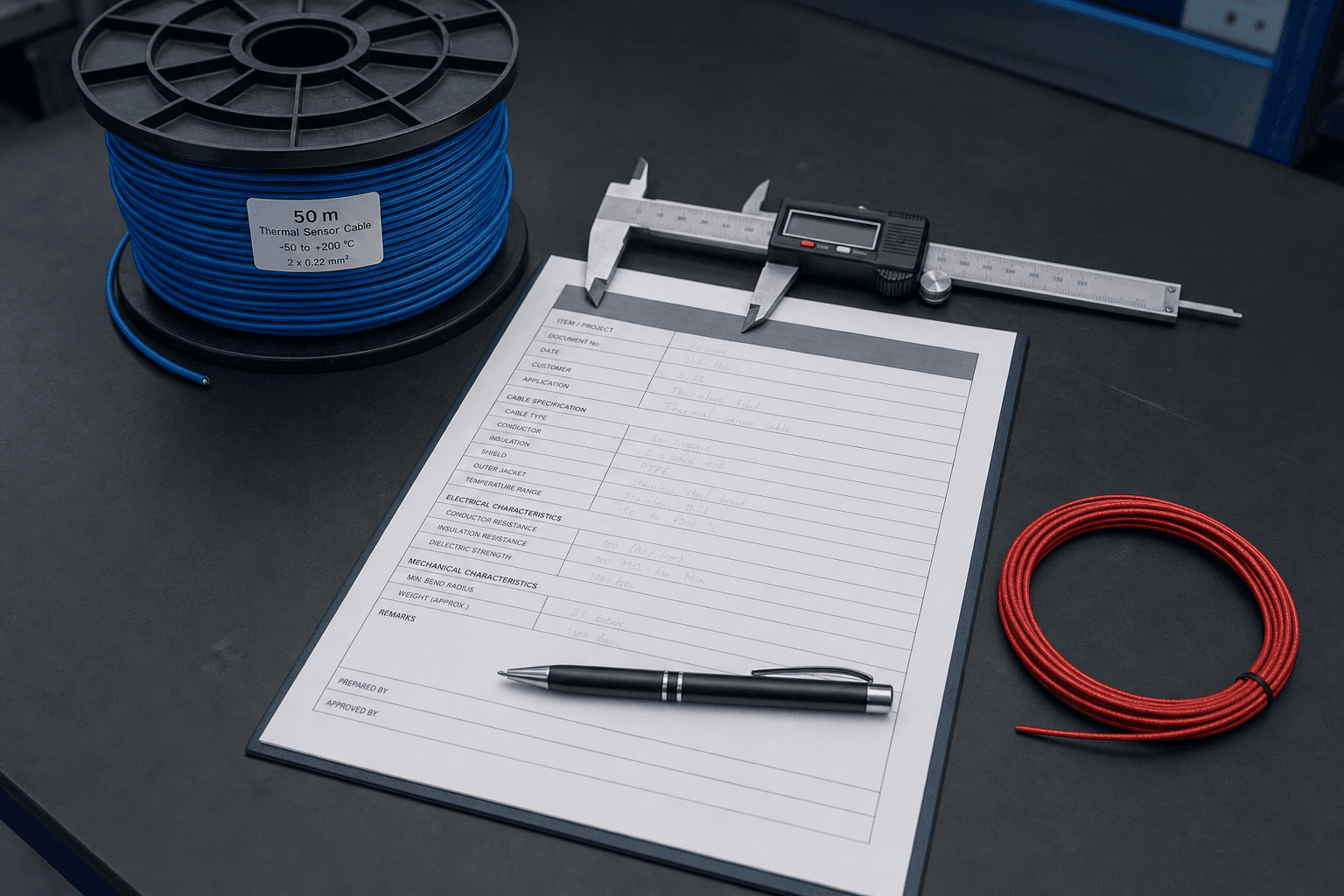
Thermal Sensor Cable Specification Guide — Spec Sheet Template
Twelve fields a thermal sensor cable specification should contain — activation temperature, working ambient, conductor, jacket, geometry, IP rating, mechanical envelope, termination, compliance, batch QC and RFQ wording — with the engineering trade-off behind each.
Read More →
One-Shot or Resettable Thermal Cutoff Cable? The Decision Before the Activation Point
The decision before the activation point — one-shot fusible versus resettable PTC thermal cutoff. Mechanism, hysteresis, cycle life, panel-side wiring and a six-line RFQ template that survives a real audit on OEM appliance and fire-panel programmes.
Read More →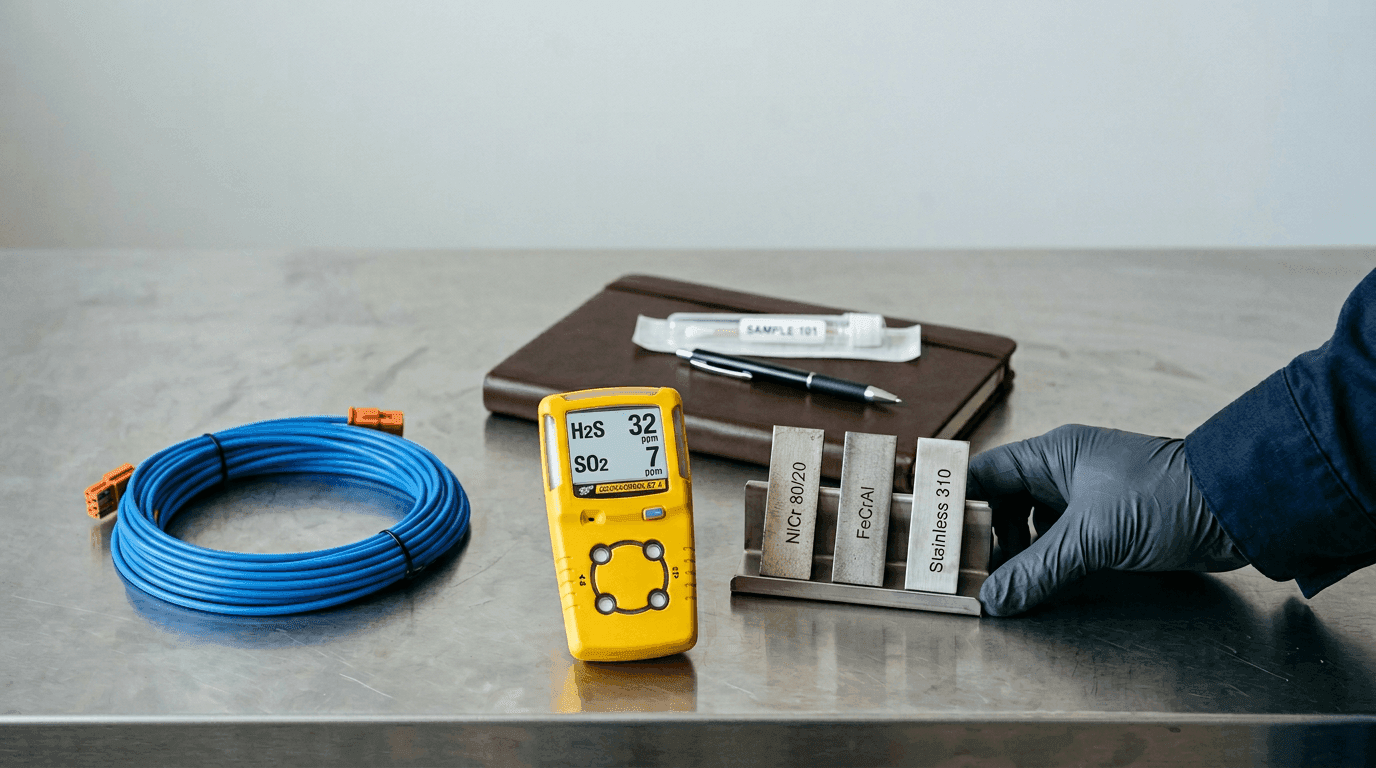
Before Specifying Thermal Sensor Cable in Harsh Atmospheres
A field workflow that runs the atmosphere audit before the LHD or TS cable is specified — gas survey, condensate swabs, witness coupons and route-temperature checks. Includes a technician-ready audit checklist and a chemistry-to-jacket translation table.
Read More →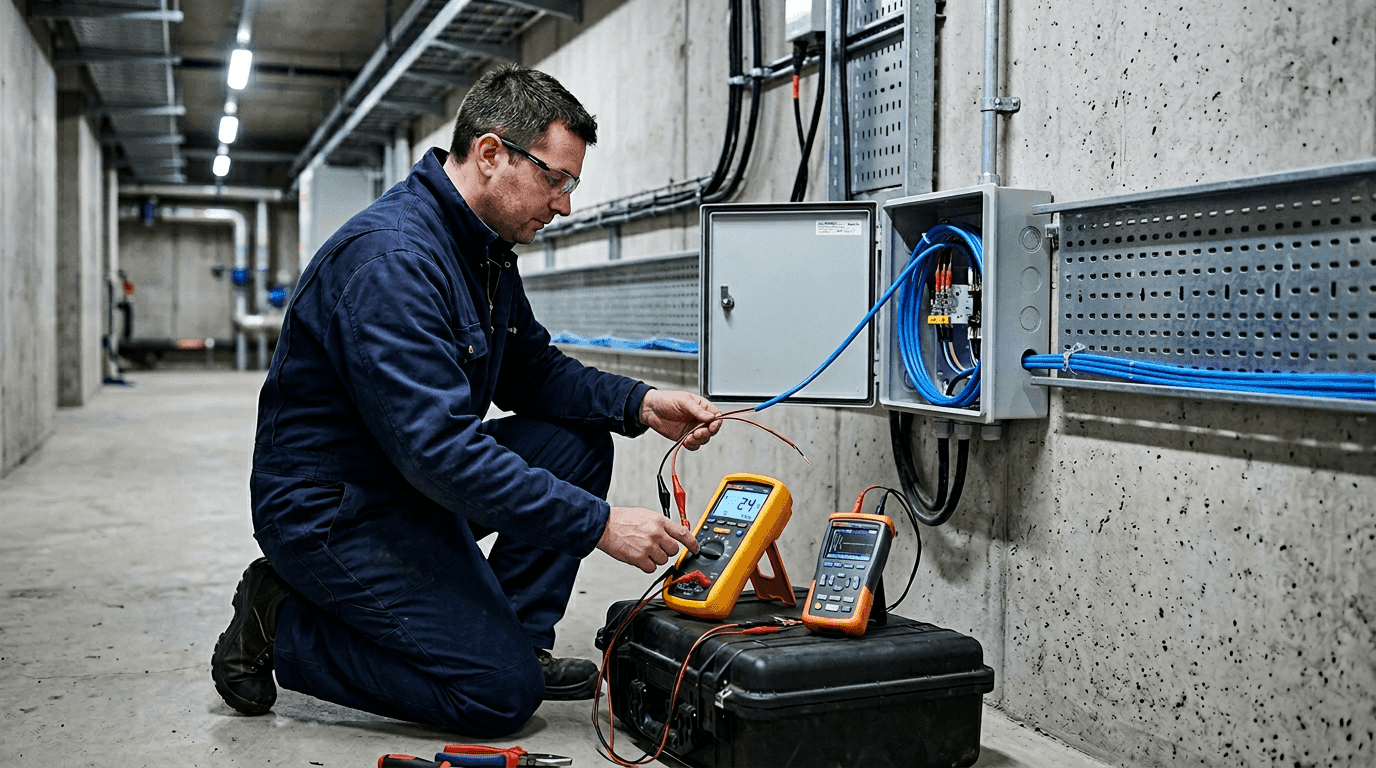
Short-Circuit or Real Alarm? Field Diagnosis for LHD Thermal Cables
How engineers separate true thermal activation from moisture ingress, crush damage, leaking splices and termination faults using loop resistance, insulation resistance and TDR distance checks.
Read More →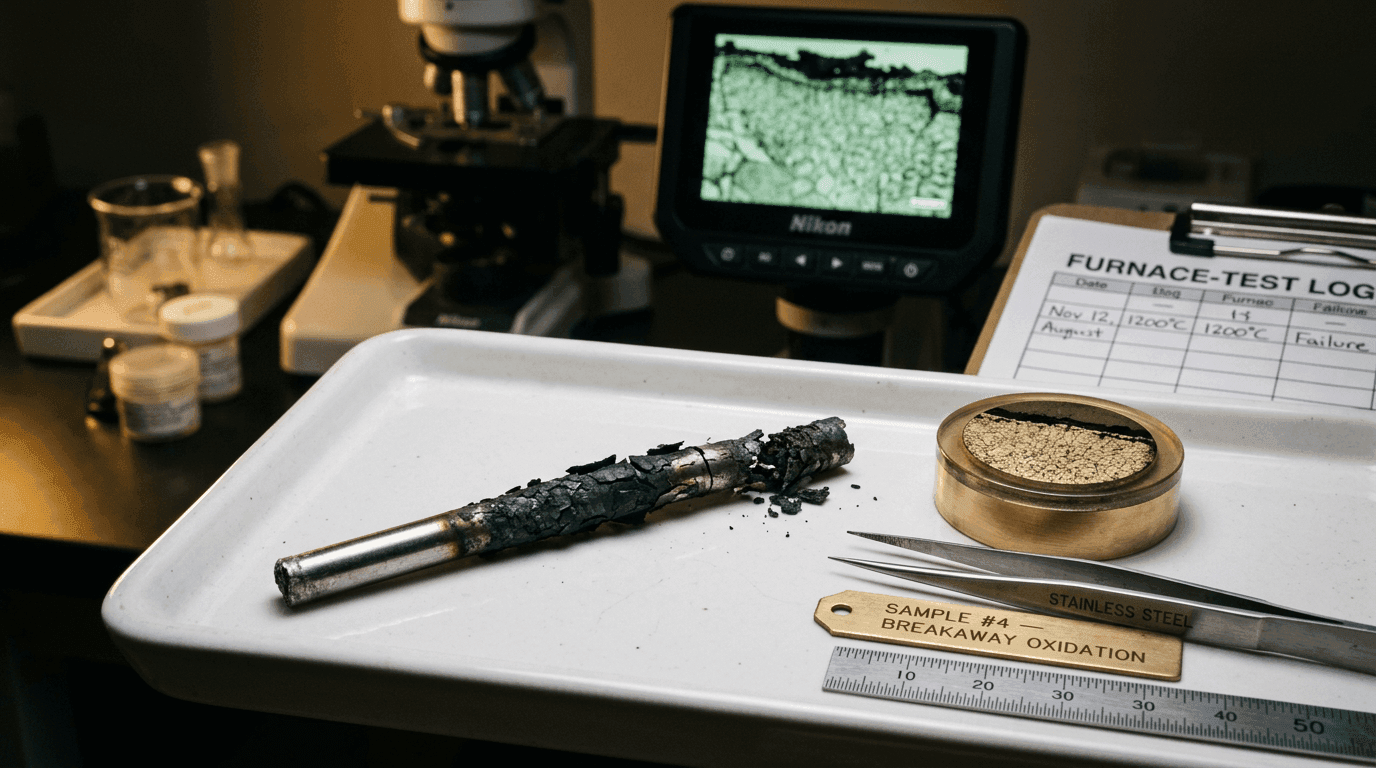
Why Thermal Wire Burns Out Early — The Metallurgy of Rapid Oxidation
The five oxidation mechanisms that actually shorten element life — protective-oxide exhaustion, atmosphere attack, cycling-induced spalling, hot-zone contamination and surface-load hotspots — with a diagnostic table and a life-extension checklist.
Read More →
Five Signs of a Reliable Heat-Sensing Cable Supplier
Price is the lazy filter. These five deeper signals — R&D bench, raw-material traceability, batch reporting, panel compatibility support and after-sales reachability — are what separates a supplier from a factory.
Read More →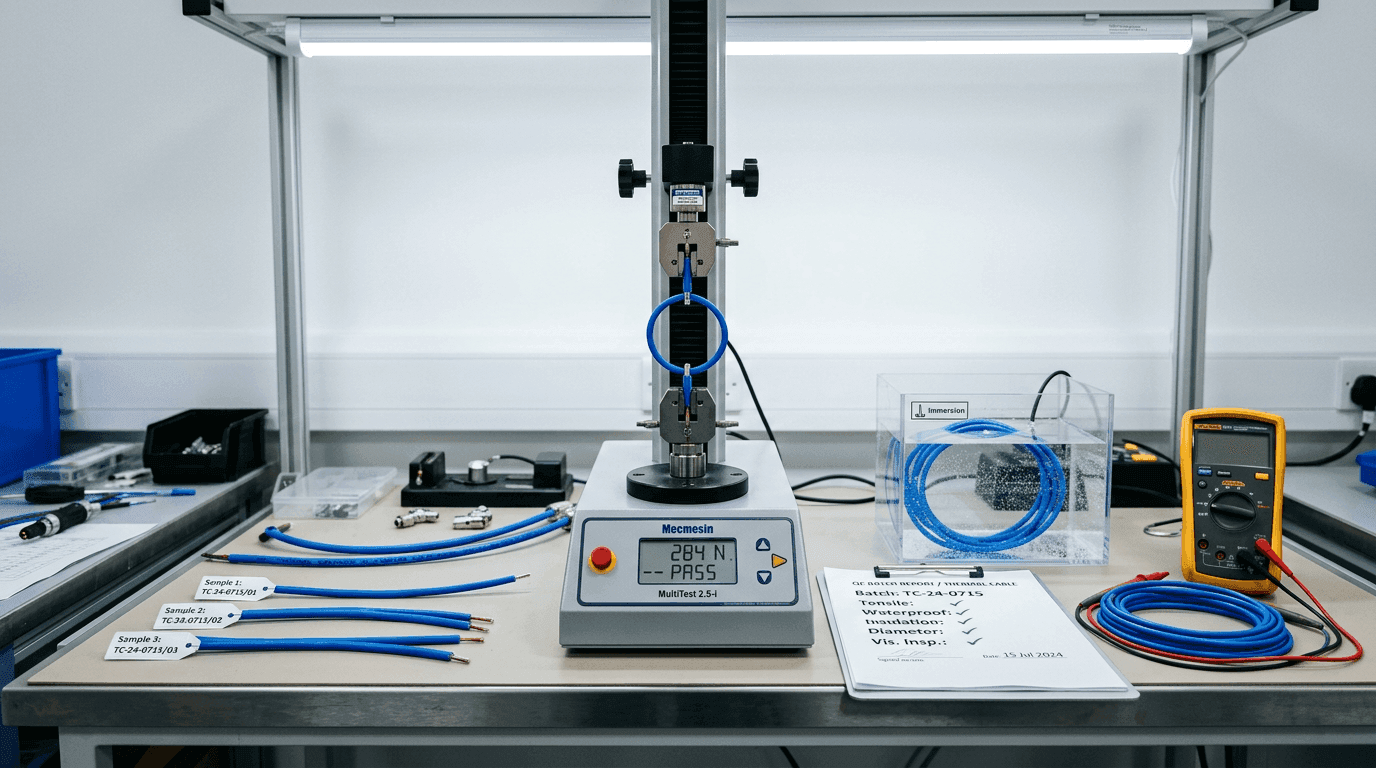
Judging Thermal Cable Quality in Eight Numbers
The eight measurable tests that actually separate a safe thermal sensor cable from a dangerous one: activation accuracy, insulation resistance, waterproof performance, tensile strength, burn speed and three more.
Read More →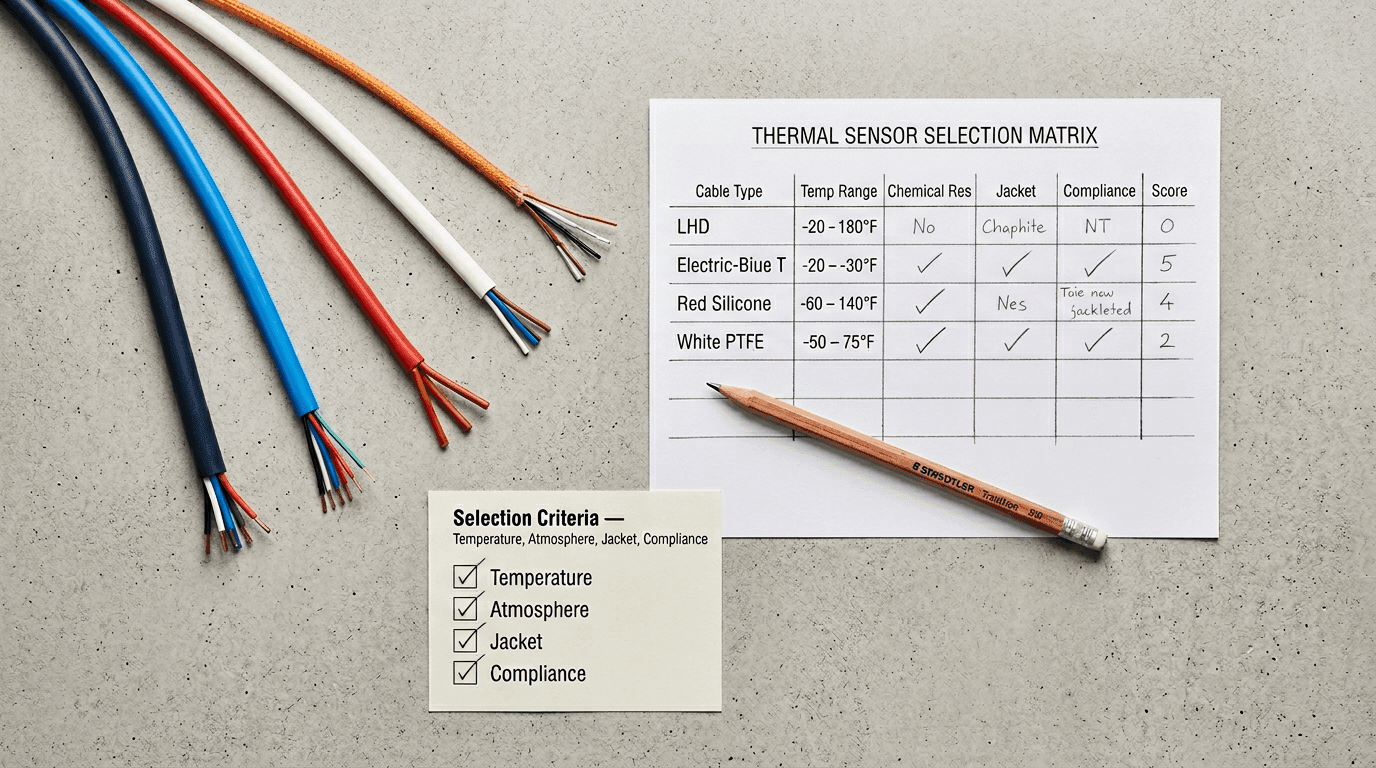
Choosing the Right Thermal Sensor Cable — A Decision Framework
A practical framework covering temperature range, cable diameter, insulation selection and the compliance paperwork that your procurement and QA teams will ask for before PO release.
Read More →How It Works & Applications
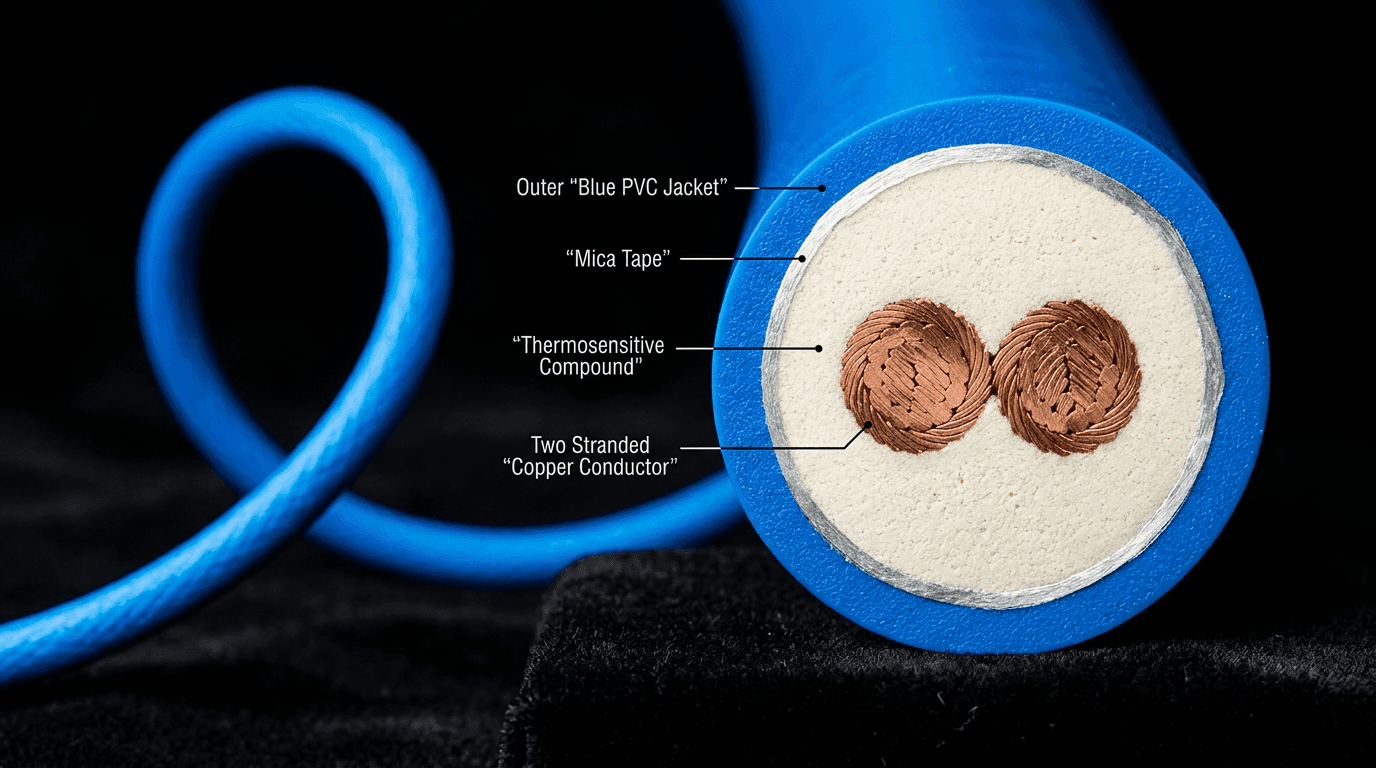
Inside a Thermosensitive Cable — Structure & Operating Principle
Layer by layer: conductor geometry, thermosensitive compound formulation, insulation jacketing and how the whole stack collapses at the rated activation point to drive the alarm.
Read More →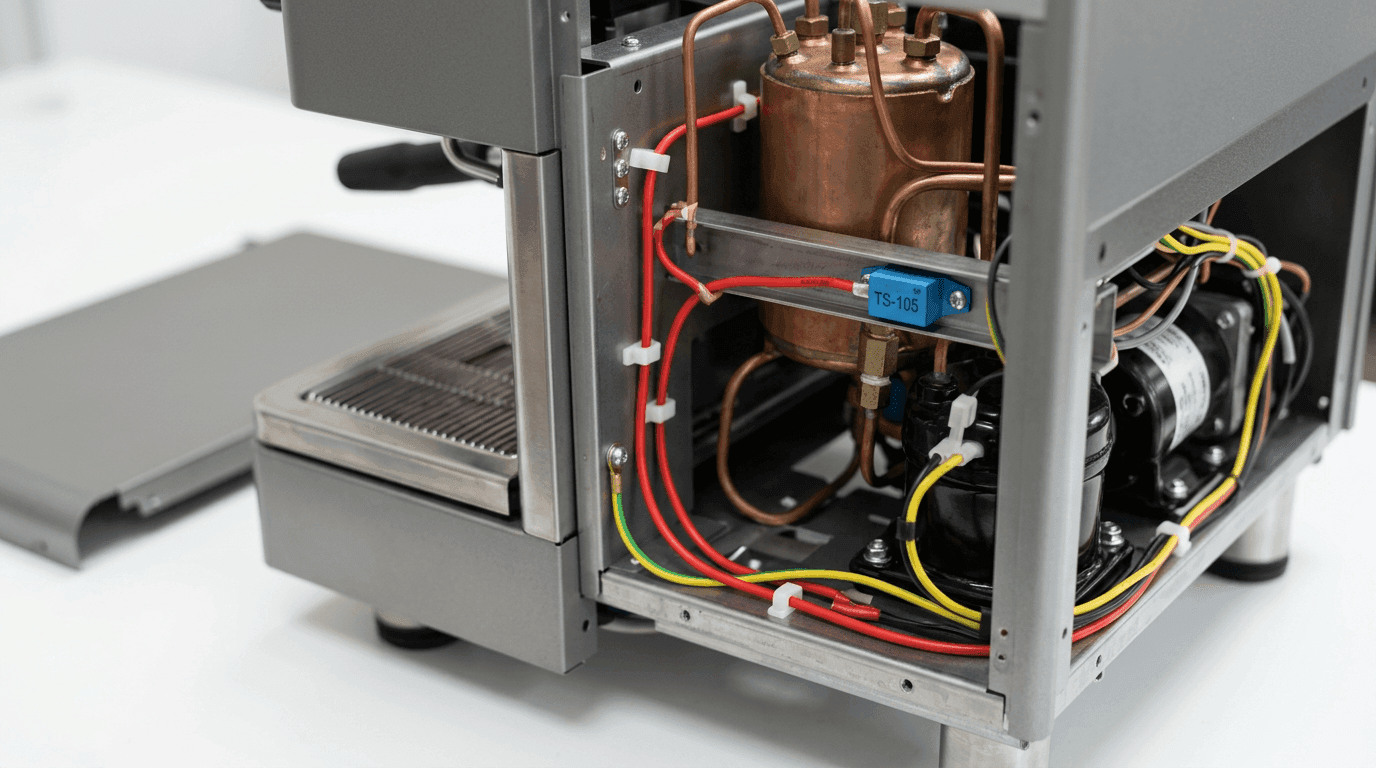
Thermosensitive Cable as the Last Line of Appliance Safety
Why appliance designers put a thermal cable in the cut-off path instead of relying solely on thermistors and firmware — and what to check when qualifying a supplier.
Read More →