Field Deployments
Where Our Cables Are Deployed
Every cable is specified against the thermal profile of the target environment. Four core industries drive most of our engineering work.
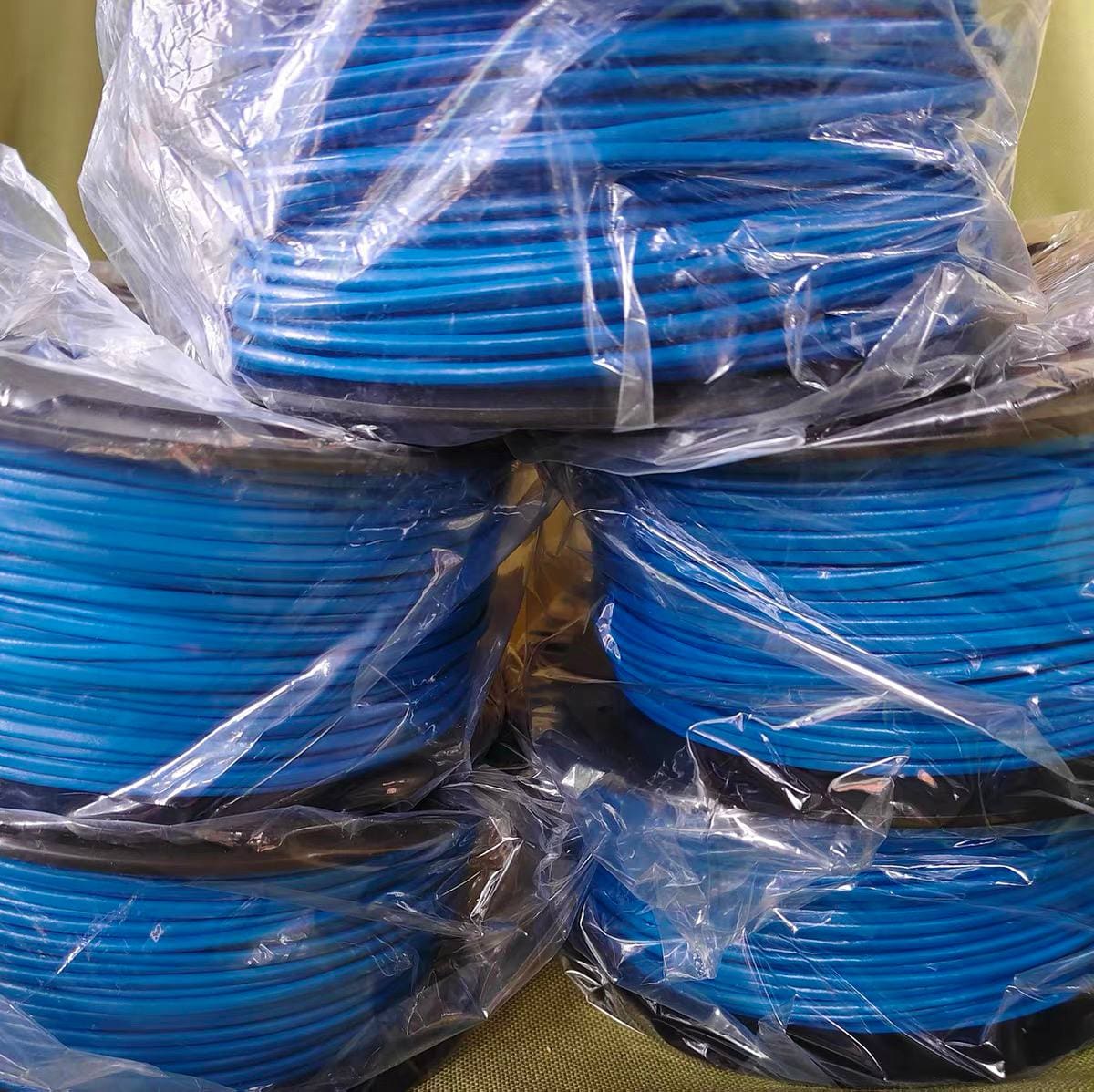
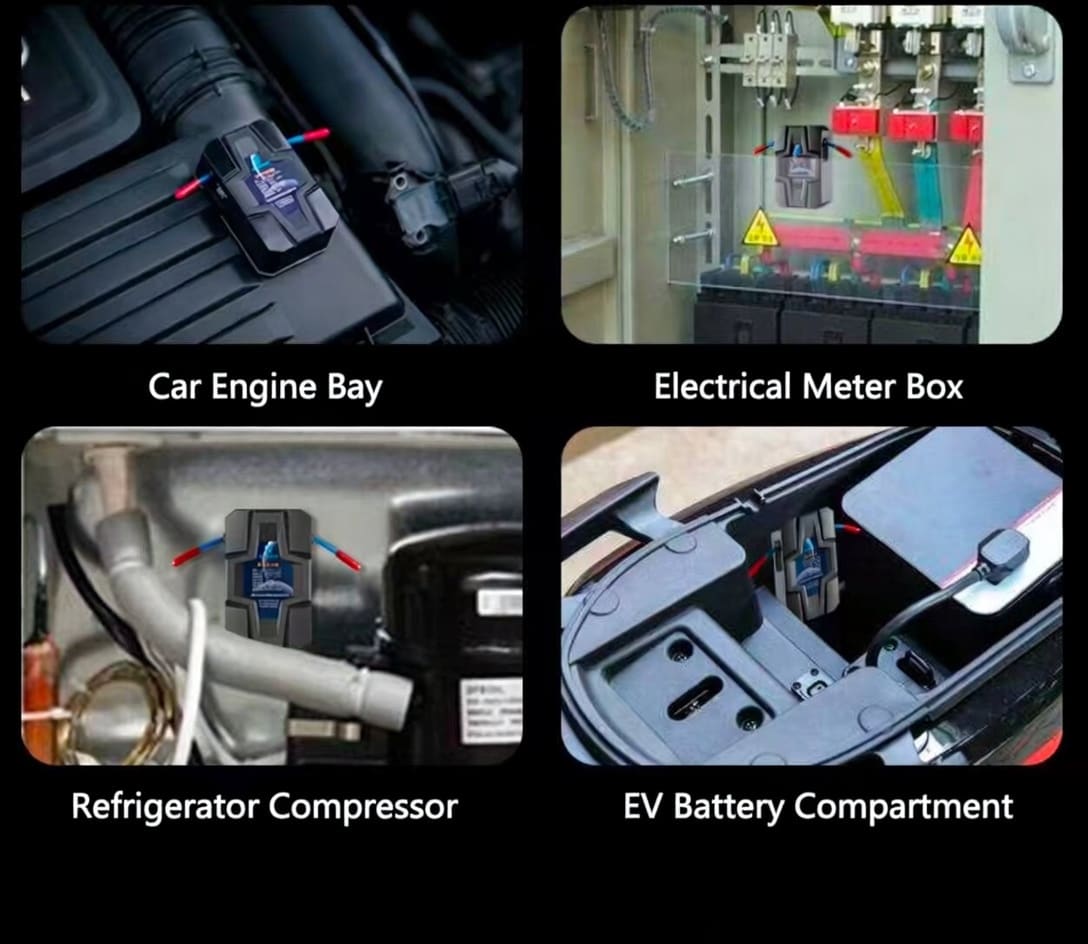
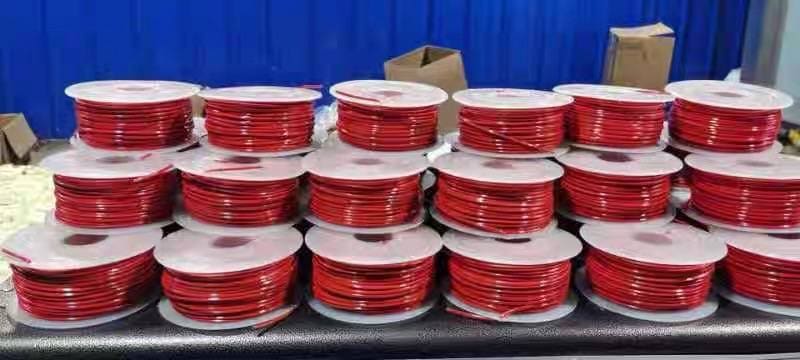
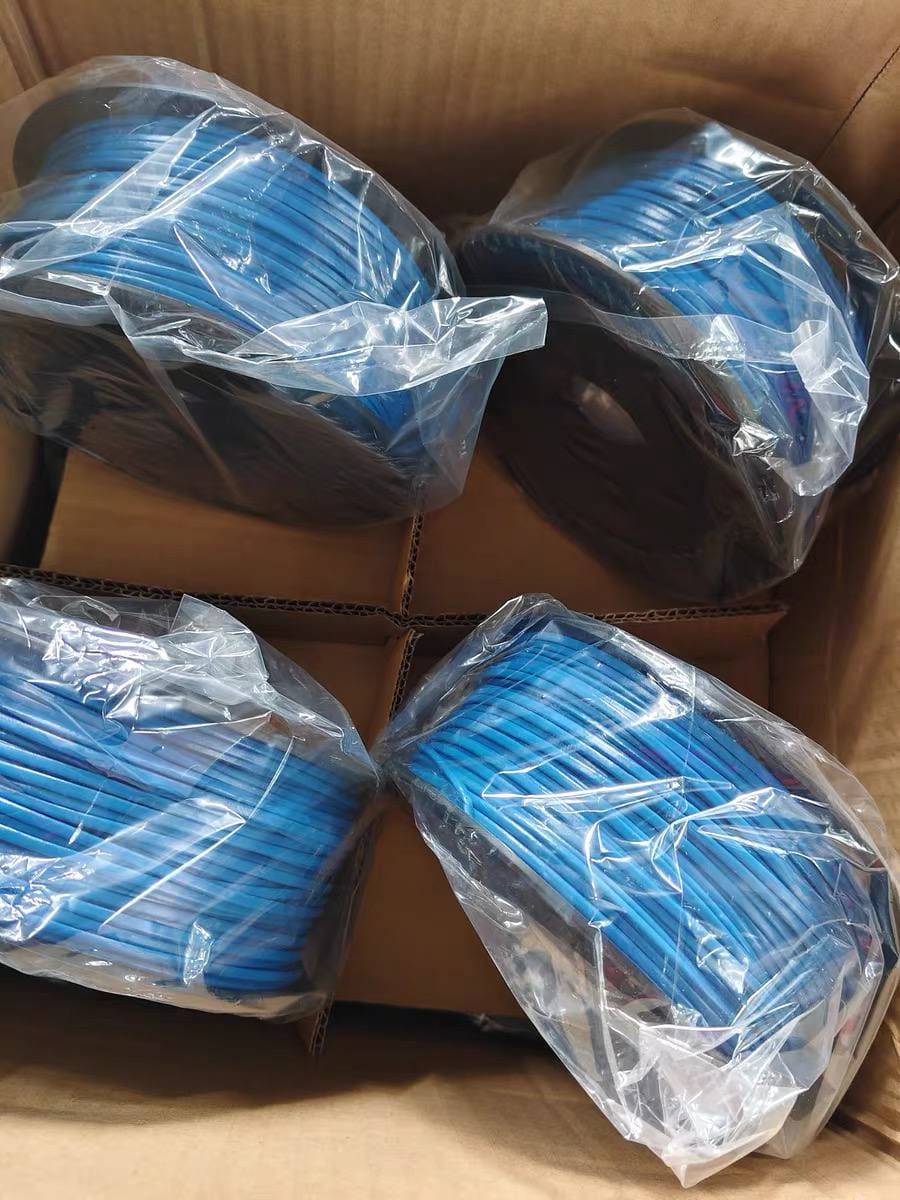
Linear heat detection for tunnels and data centers. Thermosensitive cables for EV battery packs, motors and appliance safety. Specified to your environment — not pulled from a static catalog.
Activation Range · 6 standard points + custom
Flame Propagation / Alarm Speed
Batch Activation Tolerance · per spec
Export Destinations · ISO 9001 Factory
Every cable is specified against the thermal profile of the target environment. Four core industries drive most of our engineering work.
Our product line is built on two core cable platforms — a linear fire-detection cable and a compact thermosensitive cable — each configurable to your activation point, jacket material and installation footprint.
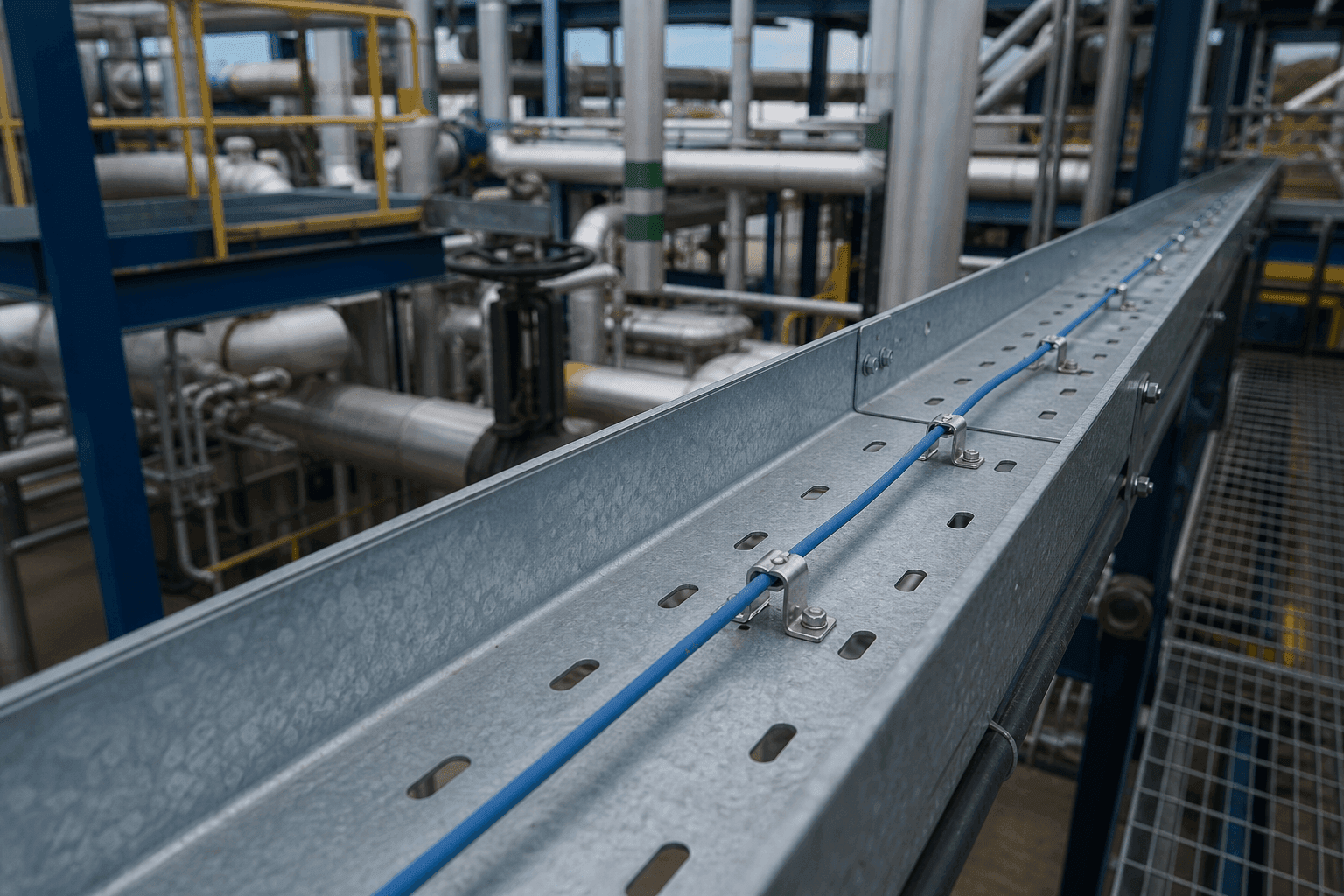 LHD Series
A fixed-temperature linear heat detector for cable trays, tunnels, warehouses and atria. Short-circuits the detection loop when any point along the cable exceeds the activation threshold, giving addressable alarm systems a clean, reliable trigger.
LHD Specifications →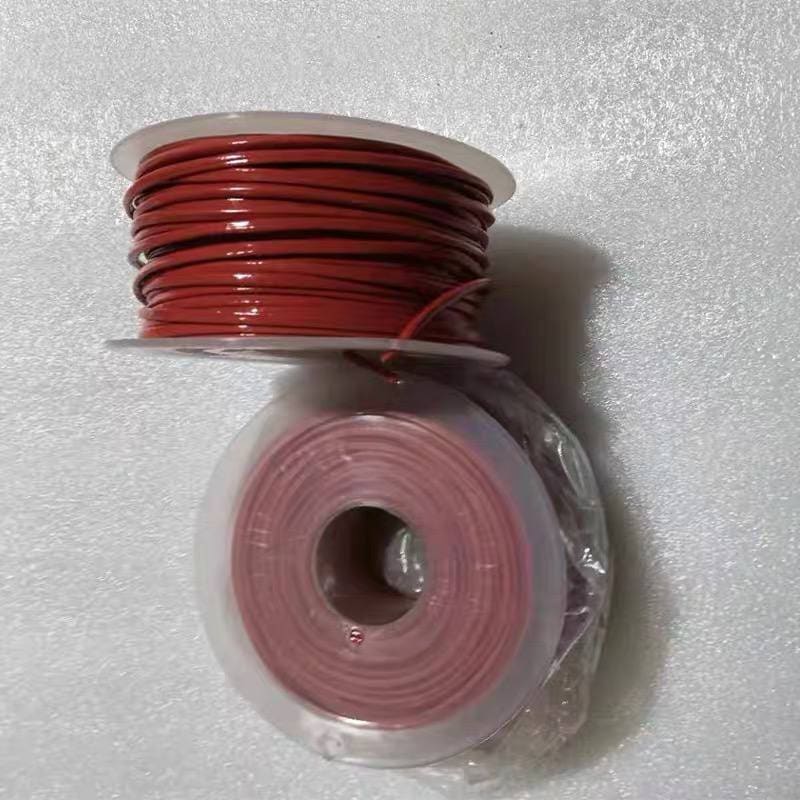 TS Series
A thin, flexible thermosensitive cable engineered for in-device integration — battery packs, motor windings, power adapters, compressors and PCB-mounted safety modules. Built to fit the installation space and dimensions you specify.
TS Specifications →Four capability pillars that separate a real cable-engineering partner from a catalog reseller.
We calibrate the thermosensitive compound batch-by-batch. Tell us the target activation temperature and tolerance — we match the formulation, not round you to a stock grade.
Conductor drawing, thermosensitive core extrusion, jacketing and spooling all happen under one roof. No trading-company markup, no split responsibility when specs drift.
Before quoting, our engineers review your operating temperature, installation environment and cable requirements. You receive a spec sheet that actually fits the deployment — not a generic datasheet.
Every shipment ships with a per-batch inspection report covering activation, burn speed, tensile, waterproofing and dimensional checks — under our ISO 9001 QMS, with RoHS and CE compliance.
How we move a project from first conversation to a cable you can install — typically in two to three weeks.
Share your activation target, environment, jacket/compliance needs and quantity. No NDA paperwork needed for a scoping call.
We draft a spec sheet and ship an evaluation sample (subject to project scope, freight at requester's cost). Draft spec typically returned in 3–5 business days; sample lead time confirmed per inquiry.
On sample approval we schedule the production run, with activation and tensile testing on each reel plus the inspection report you need for audit.
FOB, CIF or DDP — we ship to 50+ countries on spools, coils or custom packaging to match your receiving line.
Aetherm Thermal Technology has built thermal sensor cables for more than fifteen years — long enough to know that a "thermal cable" is a full system of thermosensitive compound, conductor alloy, jacket and physical structure. Get any one wrong and the activation curve drifts.
We operate our own drawing, extrusion and jacketing line in China and support engineering teams at Huawei, Midea and other leading OEMs with project-level specification work — not just pallet-level quotations.
Long-form technical writing from our engineering team — the kind of context you need when specifying a thermal cable for a real project.
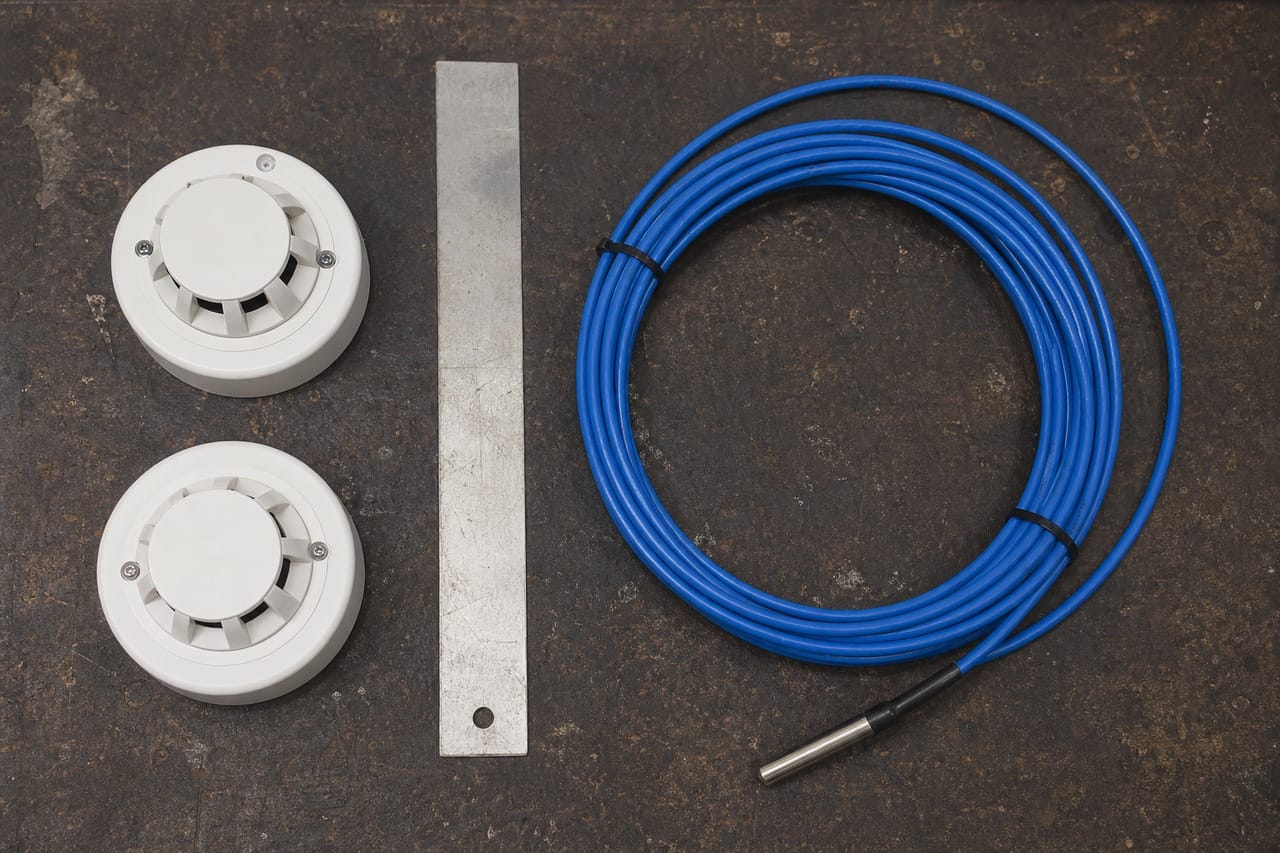
Point detectors sample discrete spots on a spacing grid; a linear cable senses the hottest point anywhere along its length. Coverage geometry, location resolution, standards, and an honest read on where each class actually fits.
Read More →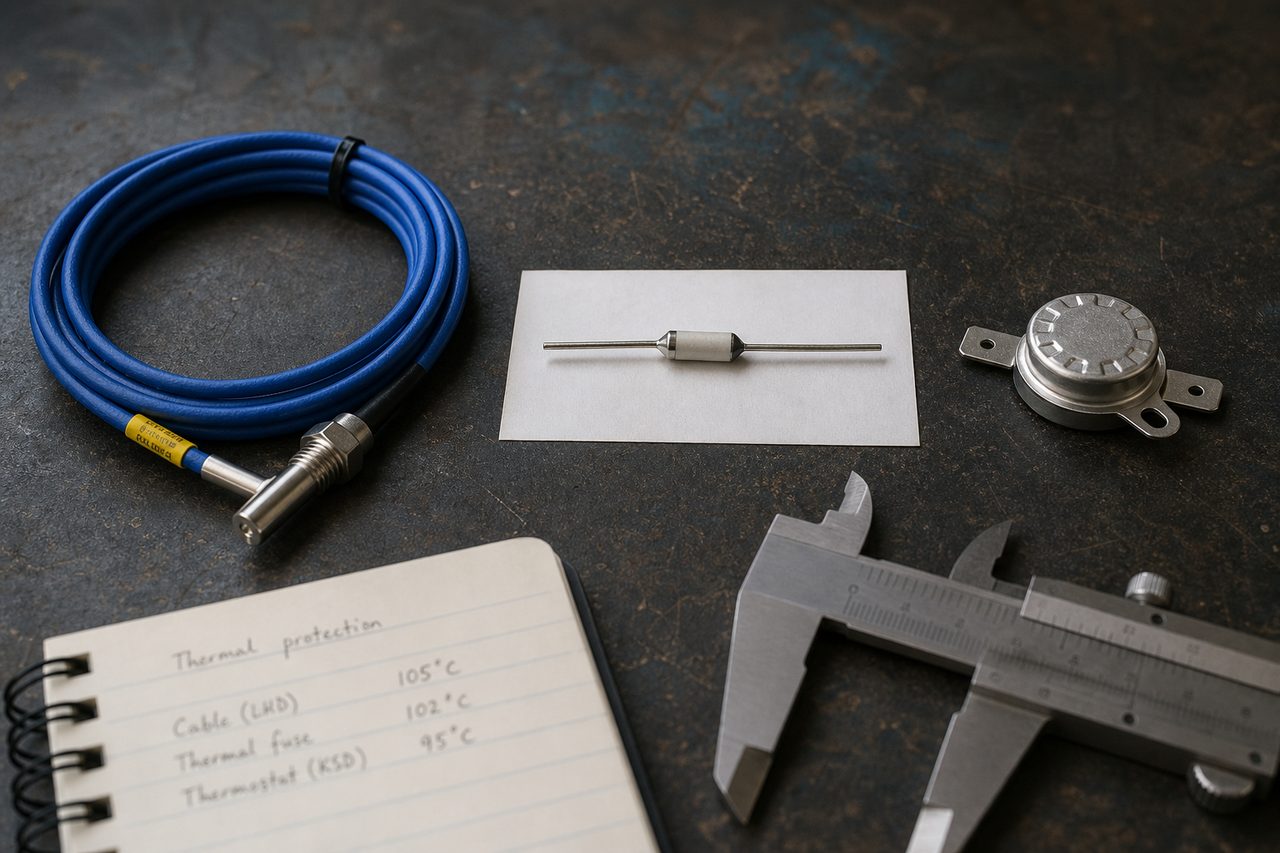
Three parts that all cut power on over-temperature — a one-shot thermal fuse, an auto-reset bimetallic thermostat, and a cable that watches a whole run. What each triggers on, what happens after the trip, whether it carries the load itself, and which your product needs.
Read More →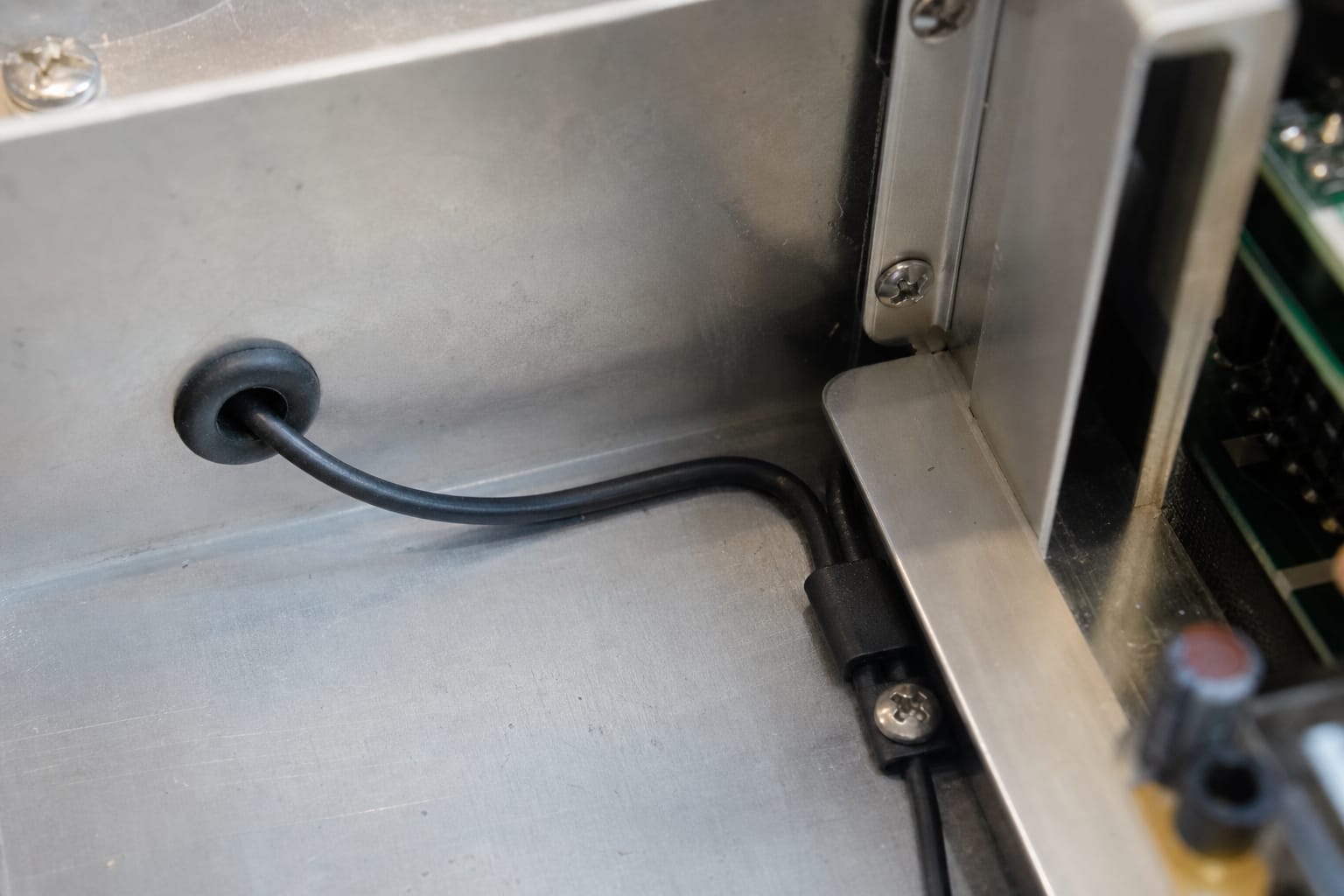
A thermal cable can pass every electrical line and still fail the enclosure. The mechanical envelope — outer diameter, minimum bend radius, crush and pull — is the OEM spec most often left implicit. What bend radius means, static versus dynamic, what breaks when you bend past it, and how to spec it.
Read More →Send us your activation target and environment — our engineering desk reviews each inquiry and gets back with a draft spec sheet and, where applicable, a sample plan subject to project scope and stock.